Best Things to Do in Bali | Complete Guide
Bali isn't just another tropical destination—it's a place where ancient temples perch on cliffs, rice paddies stretch endlessly green, and beaches range from golden sand to dramatic black volcanic rock. Whether you're a thrill-seeker, culture enthusiast, foodie, or beach bum, Bali delivers experiences that feel both exotic and accessible. The island welcomes over 4 million visitors annually, and once you arrive, you'll understand why.
The challenge isn't finding things to do in Bali; it's choosing what to prioritize. We've spent years exploring this island and filtering through the tourist traps, and we're ready to share what actually matters. This guide covers the genuine highlights—the experiences that'll have you talking about Bali years later.
Beach Hopping & Water Sports
Bali's beaches are incredibly diverse, and each tells a different story. The island isn't just about lounging on sand; it's about finding your perfect stretch of coastline and understanding what activities suit each spot.
Surfing is a major draw, and you don't need to be experienced. If you're interested in catching waves, head to the southern beaches where waves are more predictable. Canggu beaches offer consistent swells and a vibrant surf culture with plenty of schools charging 300,000-500,000 IDR ($18-30 USD) for group lessons. Uluwatu is more advanced, while Kuta beaches suit beginners thanks to their gentler breaks.
For a different vibe entirely, Jimbaran is famous for its seafood warungs right on the beach where you can dine with your toes in the sand. Here, a fresh fish dinner costs 100,000-200,000 IDR ($6-12 USD) per person. The sunsets here are spectacular—amber light reflecting off calm waters while restaurants string up fairy lights.
If you want fewer tourists and more tranquility, Sanur offers a mellower beach experience with affordable hotels and restaurants. Nusa Dua is the resort hub if you prefer more commercialized facilities and protected beaches with calm waters ideal for snorkeling and swimming.
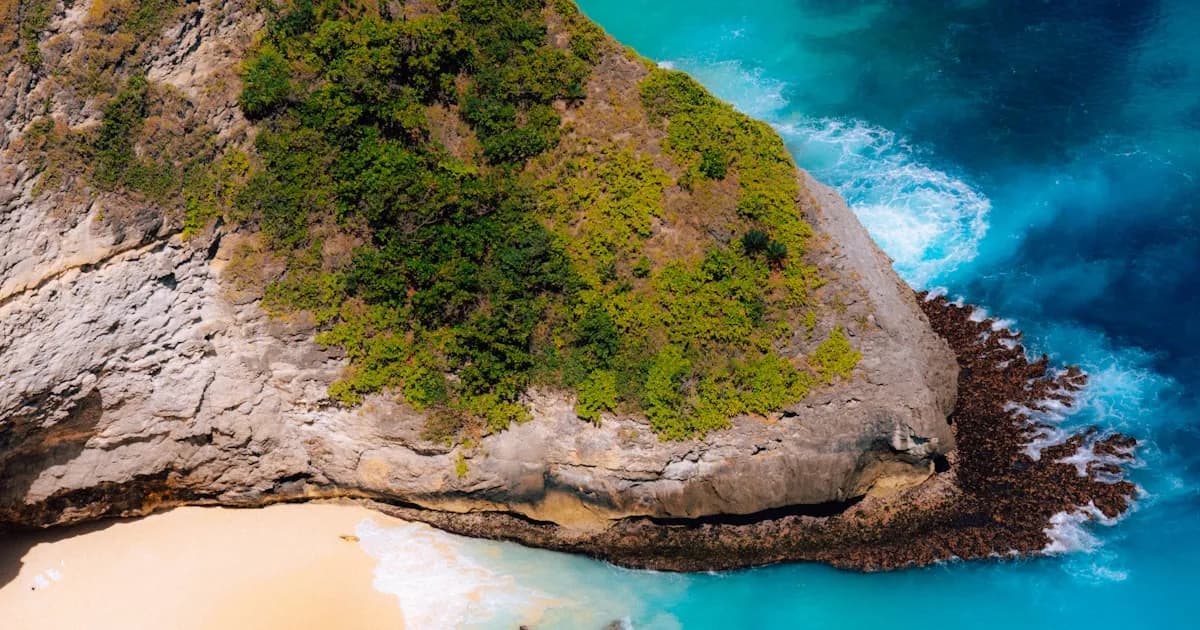
For island-hopping adventures, consider day trips to nearby islands. Nusa Penida, Nusa Lembongan, and Nusa Ceningan offer stunning cliff formations, white sand beaches, and the famous Kelingking Beach with its dramatic T-Rex-shaped rock formation. Most boat tours cost 350,000-600,000 IDR ($21-36 USD) and include snorkeling.
| Beach | Best For | Crowd Level | Approximate Entry/Use |
|---|---|---|---|
| Canggu | Surfing, nightlife | Very busy | Free |
| Uluwatu | Advanced surfing | Moderate | Free |
| Jimbaran | Dining, sunset | Busy | Free |
| Sanur | Relaxation, budget travelers | Moderate | Free |
| Kuta | Beginner surfing, party | Very busy | Free |
| Nusa Penida (day trip) | Island adventures | Moderate | 350,000-600,000 IDR |
Temple Visits & Spiritual Experiences
Bali's temples aren't just tourist attractions—they're active centers of Hindu-Balinese worship, and visiting them respectfully is one of the most meaningful things you can do here. Dress modestly: wear a sarong (often provided at the entrance) and avoid revealing clothing.
Tanah Lot is the island's most iconic temple, perched dramatically on a rock formation in the sea. Yes, it's touristy and yes, the 60,000 IDR ($3.50 USD) entrance fee is worth every rupiah for the view alone. Visit early morning or late afternoon to avoid midday crowds and catch golden light. The nearby Tanah Lot water temple offers a quieter experience if you're willing to walk a bit further.
Tirta Empul near Ubud is famous for its spring water pools where thousands of visitors bathe daily. The entrance costs 30,000 IDR ($1.80 USD), but arrive by 8 AM to experience it before tour groups descend. The temple represents a spiritual cleansing ritual that locals take seriously—be respectful and follow the rules about where you can enter the water.
Besakih is Bali's mother temple—the most important temple on the island and a stunning complex set high in the mountains. The 60,000 IDR ($3.50 USD) entrance is worth it for the architecture and spiritual atmosphere, though English signage is limited. If you're interested in learning more, our best temples in Bali guide covers over a dozen temples with insider tips.
Uluwatu Temple sits on a 70-meter cliff overlooking the Indian Ocean and hosts traditional Kecak fire dance performances most evenings. The temple entrance is 50,000 IDR ($3 USD), but the dance performance (200,000-400,000 IDR/$12-24 USD) is the real draw. We recommend booking ahead through your hotel.
Exploring Ubud & Cultural Immersion
Ubud is Bali's cultural heart, and it's completely different from the beach towns. Rice paddies surround the town, and the streets buzz with galleries, yoga studios, and spiritual seekers.
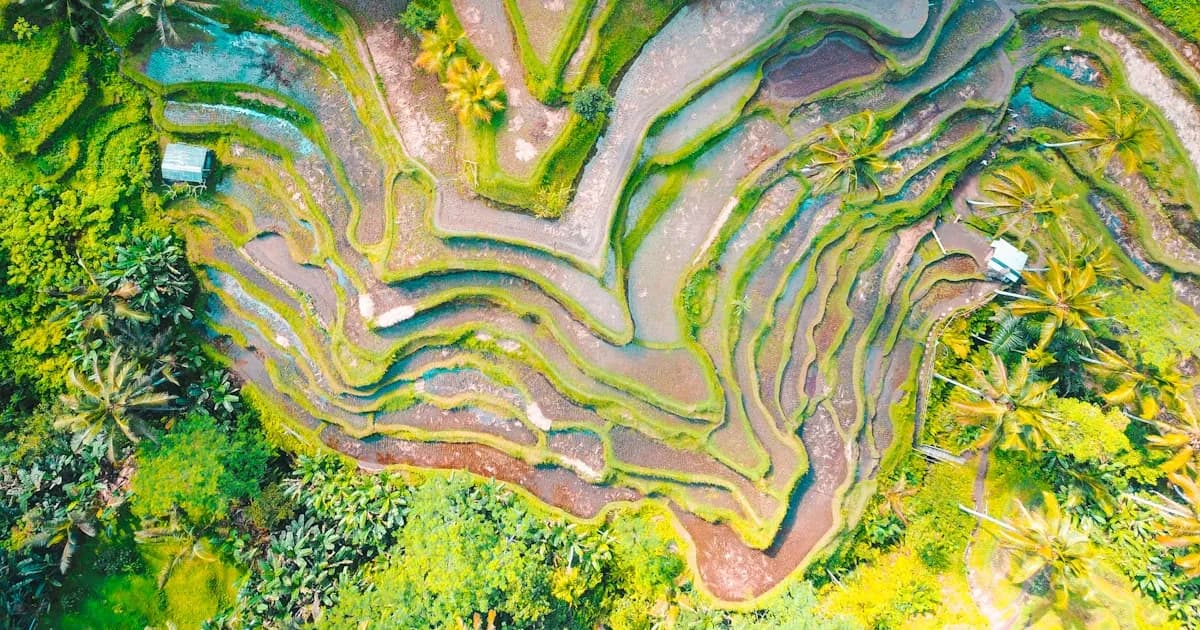
The Tegallalang Rice Terraces are Instagram-famous for good reason—the geometric rice paddies create stunning golden and green patterns across hillsides. While technically free to view from the road, most visitors pay 20,000-30,000 IDR ($1.20-1.80 USD) to walk through the paddies on maintained paths. Visit early morning before the tour groups arrive, or consider hiking here at sunrise.
The Ubud Monkey Forest is a nature reserve home to over 1,200 monkeys. Entry costs 80,000 IDR ($5 USD), and you'll spend 2-3 hours walking through the reserve and temple grounds. Bring sunscreen and water, and keep your belongings secure—these monkeys are clever thieves. The experience is both fun and educational.
Artist communities throughout Ubud offer workshops where you can learn traditional painting, woodcarving, or batik-making. Prices range from 200,000-500,000 IDR ($12-30 USD) for a few hours, and you'll leave with a handmade souvenir and new skills. Hotels can arrange these easily.
The Ubud Traditional Market is chaos in the best way—locals shopping, vendors calling out, fresh produce piled high. Most tourists visit to see the "frog section," but it's also a great place to buy sarongs, spices, and souvenirs at fair prices. Go early before it gets too crowded.
Adventure Activities & Outdoor Pursuits
Bali offers adrenaline-pumping activities for those seeking something beyond beach days and temple visits.
Hiking Mount Batur is one of Bali's most popular activities. You'll climb in the dark (2-3 AM start) to reach the 1,717-meter summit and watch the sunrise from above the clouds. Tours cost 250,000-450,000 IDR ($15-27 USD) including breakfast, guide, and transportation. It's physically demanding but doable for most fitness levels. Many hikers report it's a transformative experience—just be prepared for steep sections and cool mountain temperatures.
Waterfall visits are scattered throughout the island. Tegenungan Waterfall near Ubud is the most accessible (entrance 15,000 IDR/$1 USD), though it gets crowded. For a more adventurous experience, trek to Kanto Lampo or visit waterfalls in the northern region near Lovina.
Scuba diving and snorkeling are phenomenal, especially if you head to the Gili Islands. The best dive sites include the USAT Liberty shipwreck in Amed and numerous reefs around the Gilis. Recreational dives cost 400,000-700,000 IDR ($24-42 USD), while day-long snorkel trips run 350,000-500,000 IDR ($21-30 USD).
White water rafting down the Ayung River offers thrills and jungle scenery. Tours cost 300,000-500,000 IDR ($18-30 USD) and take 1.5-2 hours including Level 2-3 rapids.
Paragliding over Bali's southern cliffs near Uluwatu provides unforgettable views. A 30-minute flight costs 1,500,000-2,000,000 IDR ($90-120 USD) through established operators.
Food & Drink Experiences
You haven't truly experienced Bali without eating and drinking like a local. The cuisine is bold, affordable, and deeply connected to the island's culture.
Street food and warungs offer the most authentic and cheapest meals. Try the iconic Nasi Campur (mixed rice with vegetables, egg, and protein) for 25,000-40,000 IDR ($1.50-2.50 USD). Satay, soto ayam (chicken soup), and lumpia (spring rolls) are staples you'll find everywhere. The best food is often where locals eat, not in tourist-focused restaurants.
Balinese cooking classes teach you to make dishes like rendang, curry pastes, and sambal. Classes cost 250,000-500,000 IDR ($15-30 USD) and usually include a market tour and meal. Many hotels can arrange these, or book directly through Ubud-based cooking schools.
The coffee culture here is worth exploring. Kopi Bali (traditional Balinese coffee) is strong and rich. More famously, Kopi Luwak (civet coffee) is the world's most expensive coffee, though we'd recommend skipping this due to ethical concerns about animal treatment. Instead, try specialty Kopi Bali at local cafes (20,000-50,000 IDR/$1.25-3 USD) or Teh Bali (sweet black tea) for authentic experiences.
Fine dining has exploded in Bali, especially in Canggu and Seminyak. You can find world-class restaurants serving Indonesian, international, and fusion cuisine for 150,000-400,000 IDR ($9-24 USD) per person—genuinely great value for the quality.
| Food/Drink | Price (IDR) | Price (USD) | Where to Find |
|---|---|---|---|
| Nasi Campur | 25,000-40,000 | $1.50-2.50 | Warungs, street stalls |
| Kopi Bali | 20,000-50,000 | $1.25-3 | Cafes, local shops |
| Cooking Class | 250,000-500,000 | $15-30 | Ubud schools, hotels |
| Street Satay | 15,000-30,000 | $1-1.80 | Night markets, vendors |
| Fine Dining | 150,000-400,000 | $9-24 | Canggu, Seminyak |
Where to Stay
Your base significantly impacts your Bali experience, so choosing the right area matters.
Canggu is ideal for young travelers, digital nomads, and those wanting beach + nightlife. Accommodation ranges from $10-15 USD for hostels to $50-150+ USD for mid-range hotels. The beach is beautiful, restaurants are excellent, and the vibe is youthful and international. Downside: it can feel crowded and less "authentic" Balinese.
Seminyak offers upscale vibes with boutique hotels, beach clubs, and fine dining. Expect $40-300+ USD per night. It's perfect if you want sophistication and don't mind higher prices.
Uluwatu is the clifftop escape—dramatic views, sunset temples, and upscale resorts. It feels removed from the hustle, though you'll need a scooter to get around easily.
Ubud is for culture lovers, yogis, and those seeking balance. Mid-range hotels cost $20-60 USD/night, and the atmosphere is bohemian and peaceful. Rice paddies provide your morning view instead of ocean.
Jimbaran offers a quieter beach experience with excellent seafood dining. Good for couples and those avoiding party scenes. Accommodation runs $20-80 USD/night.
Sanur is excellent for budget travelers and families, with calm waters and fewer tourists. Hotels cost $15-40 USD/night.
Practical Tips for Your Bali Trip
Getting around: Rent a scooter for 50,000-100,000 IDR/day ($3-6 USD) or hire a driver for 400,000-600,000 IDR/day ($25-37 USD). Apps like Grab and Gojek (Bali's ride-hailing services) are cheaper than taxis—a typical ride costs 30,000-80,000 IDR ($2-5 USD).
Best time to visit: April to October offers dry weather. November to March is wet but cheaper. For our complete breakdown, check our first-time Bali guide.
Money matters: The Balinese Rupiah (IDR) is the currency. 1 USD ≈ 16,500 IDR. ATMs are everywhere; exchange rates at ATMs are better than money changers. Budget 30-50 USD/day for backpackers, 75-150 USD for mid-range travelers.
Cultural sensitivity: Always wear a sarong at temples (usually provided). Remove shoes when entering sacred spaces. Don't touch locals on the head or point at people—both are considered disrespectful. Ask before photographing people or ceremonies.
Health & safety: Tap water isn't drinkable—buy bottled water (5,000-15,000 IDR/$0.30-1 USD per liter). Sunscreen is essential; bring reef-safe brands. Petty theft exists in tourist areas, so don't leave valuables unattended. Travel insurance is recommended.
Language: While English is widely spoken in tourist areas, learning a few Indonesian phrases ("terima kasih" for thank you, "selamat pagi" for good morning) goes a long way.
Final Tips for Making the Most of Bali
Bali rewards curiosity and spontaneity. Book your first few nights' accommodation before arriving, but leave room in your itinerary to discover hidden beaches, chat with locals, and stumble into family-run restaurants. The best experiences often aren't in guidebooks.
Skip the obvious tourist traps—certain "adventure" tours and overpriced beachfront restaurants. Instead, eat where locals eat, take the less-traveled temple trails, and hire drivers from your hotel who can share genuine insights about their island.
Consider renting a scooter for at least a few days—it opens up the island and builds confidence as a traveler. However, wear a helmet (legally required) and drive defensively; Balinese roads can be chaotic.
Finally, Bali isn't perfect. It faces overtourism, environmental challenges, and has seen rapid commercialization. By respecting local culture, minimizing plastic use, and spending money at locally-owned businesses rather than international chains, you'll contribute positively to the island you're visiting.
Whether you spend a week or a month in Bali, you'll leave transformed. The island has a way of slowing you down while simultaneously opening you up to adventure. That's what makes it magical.
Frequently Asked Questions
What is the best time to visit Bali?
The dry season from April to October is ideal for most activities, with sunny weather and calm seas. However, Bali is a year-round destination. November to March is the wet season with occasional rainfall but fewer tourists and lower prices. We recommend visiting April to June or September to October for the perfect balance of weather and crowd levels.
How many days do I need in Bali?
We suggest spending at least 7-10 days to experience Bali properly. This gives you time to explore different regions, relax on beaches, visit temples, and experience local culture without feeling rushed. If you're on a shorter trip, 3-5 days works for beaches and main attractions, but you'll miss the deeper experiences.
Is Bali safe for tourists?
Yes, Bali is generally very safe for tourists. However, like any destination, use common sense: avoid displaying expensive items, be cautious in crowded areas, and use registered taxis. Petty theft and scams do exist, particularly in tourist hotspots. We recommend staying in established tourist areas and using trusted guides for activities.
What's the best way to get around Bali?
We recommend renting a scooter or car with a driver (easily arranged through your hotel). Taxis and ride-hailing apps like Grab and Gojek are affordable and reliable. Scooters cost 50,000-100,000 IDR/day ($3-6 USD), while car rentals with drivers run 400,000-600,000 IDR/day ($25-37 USD). Public transport exists but is less convenient for tourists.
How much does a trip to Bali cost?
Budget varies significantly by travel style. Budget travelers spend $30-50/day, mid-range travelers $75-150/day, and luxury travelers $200+/day. Accommodation ranges from $8-15/night for hostels to $50-300+ for resorts. Food is incredibly affordable, with street food meals at 25,000-50,000 IDR ($1.50-3 USD) and restaurant meals at 75,000-200,000 IDR ($5-12 USD).
Do I need a visa to visit Bali?
Most nationalities can obtain a 30-day visitor visa on arrival (Visa on Arrival) for around 500,000 IDR ($30 USD). Some countries receive 30-60 days of visa-free travel. We recommend checking the Indonesian immigration website for your specific nationality. The process is straightforward at the airport in Denpasar.
What should I pack for Bali?
Pack light, breathable clothing suitable for tropical weather, including quick-dry shirts and shorts. Bring reef-safe sunscreen, insect repellent, and a light rain jacket for wet season travel. Comfortable walking shoes, flip-flops, and a swimsuit are essential. Consider bringing a sarong for temple visits. Don't overpack—you can buy most items cheaply in Bali if needed.
What are the must-visit temples in Bali?
Tanah Lot, Besakih, and Tirta Empul are the most iconic temples. Tanah Lot offers stunning coastal views (entrance 60,000 IDR/$3.50), Besakih is Bali's mother temple, and Tirta Empul features the famous spring water pools (entrance 30,000 IDR/$1.80). For more detailed recommendations, check out our [best temples in Bali](/guides/best-temples-in-bali) guide.
Sources & References
Go2Bali Team
Travel Writer at Go2Bali
- ●Bali travel experts
- ●Locally verified information
- ●Regular content updates
The Go2Bali team shares local insights, practical travel tips, and in-depth guides to help you explore Bali like a seasoned traveler.
More about usRelated Articles
 destinations
Best Beaches in Bali: Your Complete Guide to Coastal Gems
Discover Bali's most stunning beaches, from white sand shores to hidden coves. We guide you through the best swimming, surfing, and sunset spots with insider tips.
12 min read
 culture
The 8 Most Beautiful Temples in Bali
From cliff-top shrines to lakeside sanctuaries, discover the most stunning temples that showcase Bali's rich Hindu heritage and breathtaking architecture. Includes entrance fees, best visiting times, and practical tips.
14 min read
 food drink
Bali Food Guide: What to Eat & Where
Discover the best Bali foods to eat, from satay to nasi goreng. Local restaurants, prices, and insider tips to avoid food poisoning.
12 min read
Plan Your Bali Trip
Book hotels, tours, and transport through our trusted partners and get the best deals for your Bali adventure.