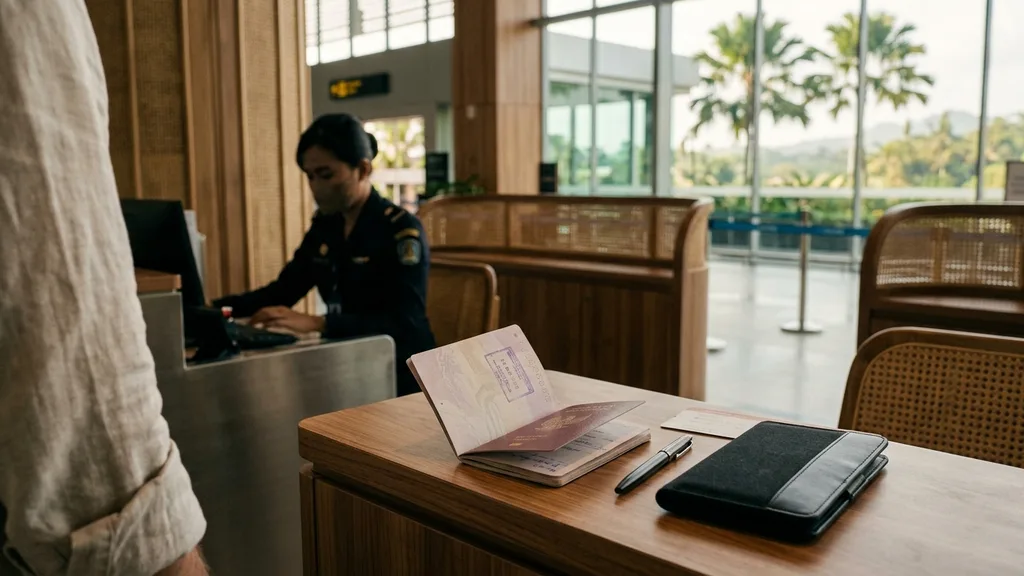
Ultimate Guide to Being a Digital Nomad in Bali: Visas, Costs, Best Spots, and Real Tips for 2024
Ultimate Guide to Being a Digital Nomad in Bali: Visas, Costs, Best Spots, and Real Tips for 2024
As a digital nomad, you're chasing that perfect blend of productivity, adventure, and affordability. Bali, Indonesia's tropical paradise, has become a global hotspot for remote workers. With its stunning beaches, lush rice terraces, vibrant culture, and reliable internet in key areas, it's no wonder searches for "digital nomad Bali" are skyrocketing. Whether you're a freelancer, entrepreneur, or full-time remote employee from the United States, this guide draws from official sources like the U.S. Department of State's International Travel Information Pages for Indonesia and the U.S. Embassy in Indonesia, plus real traveler insights, to help you thrive here.
Bali isn't just a vacation spot—it's a launchpad for your nomadic lifestyle. But success requires planning: from navigating Indonesian visa rules to choosing between beachy Canggu or zen-like Ubud. We'll cover everything to ensure your stay is seamless and sustainable.
Key Takeaways
| Question | Answer |
|---|---|
| Is Bali ideal for digital nomads? | Yes—affordable living ($1,000–$2,000/month), fast internet (up to 100Mbps in hubs like Canggu), and a thriving expat community make it top-tier. |
| What's the best visa for digital nomads? | The Visitor Visa on Arrival (VoA) allows 30 days ($35), extendable to 60; for longer stays, the B211A Social/Cultural Visa enables 180 days. Check U.S. State Department advisories for updates. |
| Can you live on $1,000 a month? | Absolutely, especially outside touristy spots; covers rent, food, and coworking, but factor in visa renewals and seasonal price fluctuations. |
| Top spots to stay? | Canggu for surf and vibes, Ubud for culture and yoga, Uluwatu for cliffs and quiet work, Sanur for affordable calm. |
| Internet reliability? | Excellent in south Bali (50–100Mbps); use coworking spaces or home ISP redundancy to avoid slowdowns during peak hours. |
| Cultural tips? | Respect Hindu customs—no red clothing at temples; modest dress everywhere; learn basic Indonesian for local interactions. |
| Tax implications? | No tax on foreign income for stays under 183 days, but consult professionals for longer terms and track your residency days carefully. |
This table summarizes the essentials. Now, dive deeper.
1. Why Choose Bali for Your Digital Nomad Adventure?
Bali's allure for digital nomads stems from its unbeatable mix of natural beauty, low costs, and supportive infrastructure. Imagine coding by a volcano view or taking client calls from a beachside café. According to the U.S. Department of State's International Country Information Pages for Indonesia (last updated Fri, 17 Apr 2026), while there's a Worldwide Caution for Americans—especially in the Middle East—Indonesia remains a popular destination with standard precautions advised. No major red flags for Bali specifically, but always enroll in the Smart Traveler Enrollment Program (STEP) via the U.S. Embassy & Consulates in Indonesia for alerts.
The island's ecosystem caters to remote workers: over 5,000 expats flock here annually, drawn by year-round warm weather (average 82°F/28°C) and a time zone (WITA, UTC+8) that's convenient for US East Coast calls (11–14 hour difference). Bali's recovery post-pandemic has amplified its appeal, with tourism rebounding to 5 million visitors in 2023, many extending stays as nomads.
Why Bali Beats Other Nomad Hotspots
Compared to Thailand, Bali's visa process is more straightforward for remote workers, and visa costs are lower. Versus Portugal or Greece, the cost of living is 40–60% cheaper, meaning your remote salary stretches further. Vietnam offers comparable prices but has less developed coworking infrastructure and smaller English-speaking expat networks. The Philippines presents similar affordability but inconsistent internet in rural areas—Bali's south island has more reliable broadband. Central America (Mexico, Colombia) offers nearness to US time zones but requires flight investments; Bali trades time zone convenience for unbeatable beach lifestyle and Asian cultural immersion.
The deciding factor often hinges on personal priorities: if you value beach access + culture + affordability equally, Bali's the sweet spot. If proximity to North America matters most, Mexico wins. If you want pure budget and adventure, Vietnam or Cambodia edge ahead—but they sacrifice the polished nomad infrastructure.
Is Bali a Good Place for Digital Nomads?
Yes, Bali is an excellent place for digital nomads. Its affordability trumps pricier spots like Thailand or Portugal, while community events (think Nomad List meetups, coworking happy hours) foster networking. Real drawbacks exist: traffic congestion in south Bali during peak hours can add 30+ minutes to simple commutes; occasional power outages (typically 2–4 hours, rare but disruptive); and internet throttling on shared home connections during 7–9 PM peak usage. These challenges are manageable with planning—choosing central locations reduces commute stress, keeping laptop batteries charged mitigates outages, and hardline backup SIMs from multiple providers prevent connectivity loss.
Real nomads rave about the balance: work hard by day, surf or hike by evening. As one Reddit user shared in a thread on r/digitalnomad: "I've never worked remotely for extended periods of time before, but now I just spent the past month in Bali. Not even just in Bali, but the worst place of them all according to the internet, the notorious Canggu." They highlighted the mix of cheap local eats (~$2–$3) and Western options ($5–$12), proving Bali's flexibility. The narrative around Canggu being "overrun" with nomads contains truth—peak season (July–August) sees coworking spaces packed by 9 AM—but quieter afternoons and surrounding neighborhoods like Berawa offer breathing room.
For US travelers, the Department of State emphasizes contacting the nearest U.S. Embassy or Consulate for assistance—critical in Indonesia, where English is common in tourist areas but limited elsewhere. Bali scores high on platforms like Nomad List (4.2/5), edging out competitors for its vibe and practical infrastructure.
2. Navigating Visas and Legal Essentials
Getting legal status is crucial to avoid fines or deportation. Indonesia doesn't have a dedicated "digital nomad visa" yet, but options exist for remote workers, each with distinct trade-offs.
Bali Digital Nomad Visa Options: A Decision Framework
| Visa Type | Duration | Cost (USD) | Extension Option | Best For | Application Time |
|---|---|---|---|---|---|
| Visitor Visa on Arrival (VoA) | 30 days | $35 | Once, to 60 days total ($35 extension) | Short-term trials, 1–2 month stays | 10 minutes at airport |
| B211A Social/Cultural Visa | 60 days | $150–$250 (with agent) | Up to 180 days total | 3–6 month stays, remote work | 1–2 weeks via agent |
| KITAS (Temporary Stay Permit) | 1 year renewable | $300–$500 | Annual renewal | 12+ month stays, investor-track | 4–8 weeks, requires sponsor |
The go-to for short-term stays is the Visitor Visa on Arrival (VoA) for United States citizens: $35 for 30 days, extendable once for another 30 (total 60 days) via local immigration offices in Denpasar. Processing takes 10 minutes at airport; extensions take 2–3 days at local offices. This suits digital nomads planning 1–2 month trials or those island-hopping.
For longer stays (3–6 months), the B211A Social/Cultural Visa is the practical choice: 60 days initially, extendable up to 180 days total. Cost runs $150–$250 including agent fees (using local agents is recommended—DIY applications involve complex paperwork and longer processing). This visa allows remote work without local employment and doesn't require proof of funds or sponsorship from Indonesian companies. The trade-off: upfront application time (1–2 weeks) versus VoA's instant gratification.
For stays beyond 180 days, the KITAS (temporary stay permit) becomes relevant, though it's designed for investors, retirees, or foreign employees with Indonesian sponsors—less accessible for pure nomads. Annual renewal costs $300–$500 and requires regular re-entry or "border runs."
Official guidance from the U.S. Embassy in Indonesia (id.usembassy.gov/visas/) stresses using their Visa Wizard for US-bound travel, but for entering Indonesia, check Indonesian immigration sites (imigrasi.go.id) or work with established visa agents. The Department of State advises enrolling in STEP for real-time updates, especially amid global cautions.
Common Pitfall: Many nomads assume a single 30-day VoA extension is automatic. In reality, you must physically visit immigration offices during business hours (7 AM–3 PM), bring original passport + copies + completed forms, and wait 1–3 business days. Delays happen; plan accordingly. Some extensions are denied if officials suspect non-tourist activity—use agent services for B211A to avoid this.
Pro Tip: Apply for extensions 7–10 days before expiry; offices near tourist hotspots (like Canggu) get swamped. Use e-visa portals where available (Indonesia offers e-visas for certain countries; check eligibility first). Keep copies of visa pages, entry stamps, and extension receipts—immigration can request proof of legal status.
According to the International Travel Information Pages, there are no restrictions on remote work if income is foreign-sourced. Declare electronics at customs to avoid duties; laptop/camera registration is straightforward.
Residency and Tax Days: Tracking Your Stay
A critical but often overlooked detail: Indonesia taxes residents (defined as those physically present 183+ days in a calendar year) on worldwide income at progressive rates (5–30%). However, short-term nomads who avoid crossing the 183-day threshold pay zero tax on foreign earnings. This creates a hidden complexity—you must manually track your entry/exit stamps across visa periods. Many nomads use travel apps (Stamps or Excel sheets) to avoid accidental overstay and residency status. If you're planning 6+ months, consult a cross-border tax professional ($200–$400) early; the IRS-Indonesia tax treaty prevents double taxation but requires proper filing and documentation.
3. Where to Base Your Digital Nomad Life in Bali
Choosing the right spot depends on your style: party vibes or serene retreats? Work intensity or leisure-first? Each major hub offers distinct trade-offs.
Digital Nomad Bali Where to Stay: Neighborhood Deep Dive
Canggu is the unofficial nomad capital—70% of Bali's remote workers cluster here for good reason. It's a 15-minute scooter ride from the airport, has 20+ coworking spaces, hundreds of cafés with fast WiFi, and active nightlife. Rents run $600–$1,200/month for 1-bedroom villas. The downside: it's saturated with English-speaking tourists, can feel corporate despite the beach setting, and traffic during morning/evening commutes is chaotic. If you want instant community and zero setup friction, Canggu wins. If you crave authenticity or quiet focus, it's exhausting.
Ubud is the antidote—100 km inland, surrounded by rice paddies and spiritual seekers. Rent drops to $500–$900/month; it's cheaper, slower-paced, and ideal for yoga practitioners or writers. Internet is decent (50–80 Mbps) but slightly less reliable than south Bali. Trade-off: it's 1.5 hours from the beach, fewer coworking spaces, and the community skews wellness-focused rather than business-focused. Good for solo spiritual retreats; less ideal if you need robust networking or tech jobs.
Uluwatu sits on dramatic cliffs overlooking the Indian Ocean—premium location, lower tourist density than Canggu. Rent: $700–$1,500/month. Internet: 60–90 Mbps. It's becoming popular with established nomads seeking balance: ocean views without the chaos. Downside: fewer coworking spaces, longer commutes to Denpasar for bureaucracy, and nightlife is minimal. Ideal for those with established remote clients and tired of Canggu's party scene.
Seminyak is upscale beach living—more resorts, higher-end cafés, fashion boutiques. Rent: $800–$1,400/month. It bridges Canggu's energy and Uluwatu's calm. Downside: pricey, touristy, and traffic rivals Canggu. Best for those prioritizing comfort and dining over cost savings.
Sanur is the hidden gem—quiet, family-friendly, affordable ($400–$800/month). It's a fishing village vibe with less expat saturation, calmer seas, and local warungs. Internet: 40–70 Mbps (acceptable). Drawback: fewer coworking spaces, less nightlife, and a 30-minute commute to Canggu hubs. Ideal for budget-conscious writers or those staying 3+ months who don't need daily social connections.
Emerging Spots: Sidemen in east Bali offers authentic village life, ricefield stays, and ultra-cheap rents ($300–$500). Internet is slower (30–50 Mbps) and less stable. For nomads wanting genuine cultural immersion and willing to sacrifice convenience, it's unbeatable. Amed appeals to divers and those seeking isolation; Lovina suits families with young kids.
Best Digital Nomad Bali Spots Breakdown
| Area | Vibe | Monthly Rent (1-Bed) | Internet Speed | Nomad Perks | Best For |
|---|---|---|---|---|---|
| Canggu | Surf, trendy, social | $600–$1,200 | 80–100Mbps | Coworking hubs, nightlife, events | Networking, short-term (1–3 months) |
| Ubud | Cultural, yoga, zen | $500–$900 | 50–80Mbps | Nature trails, healthy eats, retreats | Writers, solo deep work, wellness focus |
| Uluwatu | Luxe, cliffs, calm | $700–$1,500 | 60–90Mbps | Beaches, temples, ocean views | Established nomads, remote-first work |
| Seminyak | Upscale beach, dining | $800–$1,400 | 70–100Mbps | Fine dining, shopping, resorts | Comfort-seeking, mid-long stays (3–6 months) |
| Sanur | Relaxed, local, family | $400–$800 | 40–70Mbps | Calm seas, bike paths, value | Budget nomads, long-term (6+ months) |
| Sidemen | Authentic, village, agri | $300–$500 | 30–50Mbps | Farming culture, immersion, quiet | Cultural immersion, extended stays, flexibility |
This table compares key areas—pick based on your workflow and priorities.
4. Cost of Living: Making Your Dollars Stretch
Bali's low costs are a nomad dream, but inflation has nudged prices up 10–15% since 2022, and seasonal variations are significant. Understanding the breakdown helps you budget realistically and avoid surprise shortfalls.
Can You Live on $1000 a Month in Bali?
Yes, you can live comfortably on $1,000 a month in Bali, especially as a solo nomad in less touristy spots like Sanur or Jimbaran. A realistic breakdown: rent $400–600 (shared villa or modest private room), food $200 (mostly local warungs at $1–$3 per meal, with weekly Western café visits), transport $50 (scooter rental $70/month, fuel included), coworking/internet $100 (home WiFi $20–$30 + occasional coworking day passes $5–$10), utilities $30, visa/admin $50, misc (laundry, toiletries, tips) $100. This totals ~$930–$1,080, leaving buffer for emergencies.
The catch: $1,000 is tight if you're in Canggu (rent alone is $600–$900), want frequent dining out, or travel internally. Most nomads report comfortable living at $1,200–$1,500/month—still far below US costs—which provides breathing room for occasional splurges (surfing lessons $50–$100, spa days $10–$20, weekend island trips $200–$300) without constant penny-pinching.
Seasonal pricing matters. High season (July–September) sees rent spike 20–30%, while monsoon season (November–February) drops 15–20%. If you're flexible, arriving in shoulder months (April–June, September–October) optimizes cost.
Is $100 a Lot of Money in Bali?
$100 is substantial money in Bali when measured against local wages—equivalent to a week or more of income for many Indonesians (average wage $250–$400/month). As a nomad visitor, $100 covers a week's local groceries, a villa night in budget areas, or flights between islands via budget carriers. Culturally, casual spending of $100 on yourself while locals earn that monthly sends mixed messages; responsible nomads recognize this disparity and support local businesses fairly—paying fair wages for services, tipping where appreciated, and choosing local establishments over international chains.
Practically, $100 is a useful buffer unit: if you budget $900/month rent + food, that leaves $100 for utilities/visa/surprises—tight but workable.
Budget Breakdown Table: Nuanced Scenarios
| Category | Budget Nomad ($/Month) | Mid-Range ($/Month) | Comfortable ($/Month) | Luxury ($/Month) | Notes |
|---|---|---|---|---|---|
| Accommodation | $400 (shared villa, Sanur) | $700 (private 1-bed, Sanur/Ubud) | $1,000 (nice villa, Uluwatu) | $1,500+ (pool/ocean view, Seminyak) | Prices spike 20–30% in July–Sept |
| Food | $150 (99% warungs, $1–$2/meal) | $250 (mix local + Western cafés) | $350 (regular restaurants, Western groceries) | $500+ (fine dining, imported goods) | Nasi goreng/gado-gado $1–$3; coffee $1–$3 |
| Transport | $50 (scooter rental $70/month) | $100 (mix scooter + Grab) | $150 (Grab + occasional taxis) | $250 (daily Grab + car rental days) | Petrol $0.70/liter; Grab $0.50–$2 per trip |
| Internet/Coworking | $50 (home WiFi only) | $120 (home ISP $30 + coworking $90/month) | $150 (dual ISPs + premium space membership) | $200+ (premium space + backup mobile) | 50Mbps plans $20–$40; spaces $80–$200 |
| Utilities (electric, water) | $30 | $50 | $80 | $120 | High AC use = $70–$100 in peak months |
| Visa/Admin/Insurance | $50 (DIY visa extensions) | $100 (agent-assisted extensions) | $150 (travel insurance + visa) | $200+ (premium travel insurance + taxes) | VoA extension $35; agent assist +$50–$100 |
| Entertainment/Activities | $50 (free beaches, hiking, local events) | $100 (yoga $5/class, casual outings) | $200 (regular classes, weekend trips, massage) | $300+ (adventure sports, frequent dining) | Yoga class $5–$10; massage $5–$15; diving $60 |
| Total | ~$780 | ~$1,320 | ~$1,880 | ~$2,870+ | Solo nomad average: $1,200–$1,500 |
This table shows scalability—adjust for your lifestyle and location choice. Budget nomads in Sanur hit $800; comfort seekers in Canggu hit $1,800+.
Price Increases & Inflation Reality
Since 2022, Bali has experienced steady inflation:
- Rent: +12–18% (most dramatic in Canggu, less in Sanur)
- Food: +8–12% (especially Western imports)
- Coworking: +5–10%
Causes: post-pandemic tourism rebound, increased expat demand, global supply chain pressures. Expect prices to continue rising 5–10% annually, meaning $1,000 budgets may shrink in real purchasing power. If you're planning a 12+ month stay, factor in annual increases or plan migrations to cheaper areas.
5. Work Setup: Internet, Coworking, and Jobs
Reliable tech is non-negotiable for remote work. Bali offers multiple pathways depending on your needs and budget.
Internet Reliability and Speed Reality
Bali's internet averages 50–100 Mbps in urban areas (south Bali), powered by providers like Telkomsel, XL Axiata, or Indihome. Speeds are adequate for video conferencing (4–6 Mbps required), cloud work (10+ Mbps ideal), and streaming (25+ Mbps for HD). However, "average" masks inconsistency: shared home connections often throttle during peak hours (6–10 PM), especially on monsoon days when weather impacts towers. Coworking spaces use dedicated business-grade ISPs and typically deliver consistent 80–100 Mbps.
ISP Plans: Home WiFi costs $20–$40/month for 50 Mbps unlimited. For critical work, dual ISP setups (home + mobile hotspot backup from different providers) cost ~$40–$60/month and eliminate dropout risk. Mobile data plans offer 100+ GB for $10–$20/month, serving as backup.
Coworking Spaces: Options & Costs
Canggu hosts 20+ spaces (Outpost, Biliq, Ketut & Co) ranging from $80–$200/month for dedicated desks, or $15–$25/day for day passes. Ubud has fewer (5–8 spaces) at $50–$120/month. Smaller towns rely on cafés with WiFi—often free if you buy coffee. Coworking memberships include benefits beyond WiFi: community events, printed materials, meeting rooms, and air conditioning—valuable during monsoon.
Decision Framework: Use home WiFi with coworking day passes if budget-conscious and flexible; commit to monthly membership if you work 5+ days/week and value community; skip coworking entirely in cheap areas like Sanur if home connection is reliable.
Digital Nomad Bali Jobs: Earning While You Travel
Most nomads bring their own gigs—freelance writing, graphic design, software development via Upwork, Fiverr, or direct clients. This is the easiest path: you maintain US-based income and simply relocate.
Local opportunities exist but are limited:
- English Teaching: $15–$25/hour (in-person lessons); ~$12–$18/hour (online tutoring for Indonesian students). Platforms like iTalki or VIPKid hire remote-based teachers.
- Content Creation for Tourism: Writing blog posts, Instagram content for hotels/tour operators ($500–$2,000 per project). Often found via Facebook groups or Upwork.
- Digital Marketing Consulting: $25–$50/hour for SEO, social media work for local Bali businesses; requires established portfolio.
Reality Check: Local markets don't pay US rates; teaching English is a side gig, not primary income. Most nomads maintain existing client bases—the draw of Bali is cost arbitrage (live on $1,200 while earning $3,000+/month from US clients), not local earning.
6. Community and Real Experiences
Bali's nomad scene is energetic and well-established, with numerous pathways to build meaningful connections beyond surface-level tourism.
Digital Nomad Life Bali: Daily Realities and Challenges
A typical day blends work (mornings in cafés, 6–11 AM) with exploration (afternoons hiking, beach time, or yoga), with evenings for socializing or solo decompression. The rhythm is leisurely compared to home—slower pace, lower stakes, beach walks between meetings.
Real challenges emerge: monsoon rains (November–March) can flood roads and disrupt internet, forcing work from home; cultural friction arises when nomads treat Balinese sacred sites as Instagram backdrops (the Tegallalang rice terraces have begun charging entry fees to manage overtourism). Power outages, though rare in main areas, happen 2–4 times yearly; laptops should run on battery or connect to power banks. Language barriers exist outside tourist zones; learning basic Indonesian ("Terima kasih," "Berapa harganya?") opens doors and shows respect.
The deeper challenge: "nomad fatigue"—endless onboarding to new places, lack of deep friendships, shallow social circles of transients. Many nomads stay 2–3 months max before burnout; extending past 6 months requires intentional community-building and accepting Bali as a semi-permanent base, not a perpetual vacation.
Nomads Bali: Building Connections
Formal networking: Join "Nomads Bali" Facebook groups (20,000+ members), attend weekly coworking happy hours, or join fitness classes (CrossFit, yoga). Events in Denpasar or Ubud foster bonds—conferences, workshop series, or casual meetups.
As one Reddit nomad noted: "Both good and cheap local food and less cheap western food. Another quick tip: You don't have to buy the tiktok-bowls if you don't want them." This highlights Bali's dual food ecosystem: authentic warungs ($1–$2) exist alongside overpriced Instagram-bait açai bowls ($8–$12). Success means blending both—eating local daily, splurging on Western treats occasionally.
Digital Nomad Bali Reddit Insights: Unfiltered Perspectives
Reddit's r/digitalnomad threads echo consistent themes: Canggu is genuinely "amazing" despite hype, with tips on avoiding scams (avoid street money changers; use banks or apps like Wise for currency). Users warn of "nomad fatigue"—the exhaustion from constant newness—but praise Bali's reset button for mental health and creativity. Common reddit advice: stay 3+ months for ROI on visa/setup costs; visit temples with genuine reverence, not tourism; learn scooter safety (helmets matter; roads are chaotic).
7. Cultural Etiquette and Daily Life
Blending in enriches your stay and shows respect to your hosts. Balinese culture is Hindu, distinct from the broader Islamic Indonesia, with specific customs nomads often overlook.
Can I Wear Red in Bali? And Other Dress Code Questions
You can wear red in Bali as a daily wearer, but avoid it at temples, ceremonies, or during Hindu observances like Nyepi (Balinese New Year, silent day). Red symbolizes evil spirits in Hindu-Balinese belief; women in red are traditionally interpreted as spiritually dangerous in sacred spaces. Practical advice: wear red for casual town life; swap to neutral colors (white, blue, earth tones) when temple-visiting.
General dress code year-round: cover shoulders and knees in temples and village areas; beach wear (swimsuits) is fine at beaches but change before eating locally. Women wearing short shorts or bikini tops in non-beach areas can attract uncomfortable attention and are seen as disrespectful. Many nomads adopt "temple pants"—lightweight, breathable trousers worn specifically for cultural sites.
Daily Etiquette Beyond Dress
- Shoe etiquette: Remove shoes indoors, especially in homes and temples.
- Right hand preference: Use your right hand for eating, handing items, or greeting. Left hand is traditionally considered unclean.
- Temple protocol: Don't point at religious statues; crouch lower than priests if present; participate in rituals only if invited.
- Photography: Always ask permission before photographing people, especially in villages or ceremonies.
- Respect for elders: Address older Balinese with "Bapak" (sir) or "Ibu" (madam).
- Bargaining: Acceptable in markets; avoid in restaurants or established shops.
Language & Communication
Learning basic Indonesian unlocks cultural doors and is genuinely appreciated. "Terima kasih" (thank you), "Selamat pagi" (good morning), "Berapa harganya?" (how much?), and "Maaf" (sorry) take you far. English is common in Canggu and tourist areas, but decreases in Ubud or villages. Google Translate (with offline mode) is your backup, but human connection via broken Indonesian beats perfect English in many contexts.
The U.S. State Department urges cultural sensitivity in Indonesia to avoid faux pas; respectful behavior, even with language barriers, creates safety and community.
8. Taxes and Finances for Long-Term Stays
Bali Digital Nomad Tax: Understanding Your Obligations
Indonesia taxes residents (defined as those physically present 183+ days in a calendar year) on worldwide income at progressive rates: 5% on the first band (~$11,000 annually), increasing to 30% on higher brackets. However, short-term nomads (under 183 days) pay zero tax on foreign earnings—a major draw.
The complexity: you must track your residency days manually. If you're on a 60-day VoA + 60-day extension, you've hit 120 days—under the threshold. Add a border run to Thailand (doesn't reset the calendar) and 3-week return to Bali, and you're at 143 days—still safe. But if you stay continuously 183+ days or accumulate 183+ days across multiple visa periods within a calendar year, you become a resident and owe Indonesian tax.
Critical: This isn't enforced at the border; it's an honor system. However, if you plan to rent, open a bank account, or conduct formal business, your residency status may be documented. For stays approaching 6 months, consult a cross-border tax professional ($300–$500 engagement fee) to model your tax liability and ensure compliance. The IRS-Indonesia tax treaty prevents double taxation, but only if you file correctly.
Finances: Payment Apps and Currency Management
Apps & Transfers:
- Wise (formerly TransferWise): Send USD to Indonesian banks with low fees (1–2%); convert at real rates. Essential for regular transfers.
- Revolut: Multi-currency card, 0% foreign fees; useful as backup.
- GCash/PayMaya: If working with Filipino clients or platforms.
- Bitcoin/Crypto: Accepted in some coworking spaces and cafés; use caution (volatility, tax implications).
Currency: Indonesian Rupiah (IDR). Rates fluctuate; avoid airport money changers (poor rates). Use ATMs (withdraw in larger amounts to minimize fees) or Wise for transfers. Card payments incur 2–3% fees; cash is preferred locally.
Banking: Opening a local Indonesian bank account requires passport, proof of residence, and often an in-person visit. Useful for long-term stays (3+ months) to avoid withdrawal fees; not essential for short trips (just use Wise transfers).
9. Health, Safety, and U.S. Resources
Health Precautions
Vaccinations recommended by CDC: Hepatitis A/B, Typhoid, Japanese Encephalitis (risk is low in Bali but consider if traveling to rural areas), and routine shots (MMR, tetanus). Malaria is absent in Bali itself but present in eastern Indonesia; if island-hopping, consult a travel doctor.
Healthcare in Bali is affordable and decent in urban areas: private clinics charge $30–$80 for visits; hospitals cost more but are reliable (BIMC Bali, SOS Clinic are expat-friendly). Travel insurance covering medical evacuation is critical—costs $25–$80/month depending on age/coverage.
Safety Reality Check
Petty theft in crowded areas (markets, beaches) is the main risk; serious violent crime against tourists is rare. Standard precautions apply: don't leave valuables unattended, use ATMs in daylight, avoid showing expensive gear in crowds. Motorbike accidents are the real danger—helmets (mandatory by law) reduce head injury risk significantly.
Scam alerts: Fake taxis, inflated prices for tourists, online booking fraud. Use Grab (ride-sharing app) instead of street taxis; book accommodations through verified platforms.
The Department of State rates Bali as Level 2: Exercise Increased Caution (same as most of the world). No specific threats to travelers. Contact the U.S. Embassy (+62-21-3435-9000 from Bali, or dial +62-274-384-611 for Yogyakarta-area consular agent) for emergencies.
Emergency Resources
- U.S. Embassy in Jakarta: id.usembassy.gov; phone +62-21-3435-9000
- Smart Traveler Enrollment Program (STEP): register at step.state.gov for alerts
- Travel Insurance: Ensure coverage includes medical evacuation and theft; providers like World Nomads, SafetyWing, or mainstream insurers offer nomad plans ($30–$100/month)
10. Best Time to Visit and Planning Timeline
Seasonal Breakdown: Matching Your Priorities
Dry Season (May–October): Ideal for digital nomads. Clear skies, consistent weather, fewer rain delays. Peak months (July–September) see highest prices and crowds; shoulder months (May–June, September–October) balance good weather with lower costs. Expect rents at "normal" rates, flights 15–20% cheaper than peak.
Monsoon Season (November–April): Pros include lower accommodation prices (15–20% discount), fewer tourists, lush green landscapes, and peaceful atmosphere—ideal for introverts or long-term settlers wanting solitude. Cons: frequent afternoon rains, occasional flooding (rarely severe in main areas), internet can be spotty on rainy days, outdoor activities limited. Good for writers and focused work; challenging for those wanting beach/exploration balance.
Shoulder Months (April–May, September–October): Sweet spot—decent weather, moderate prices, less crowding.
Golden Week and Holiday Pricing
Avoid These Periods if Budget is Priority:
- Indonesian National Holidays (April, August, December): Domestic tourists flood areas; prices jump 20–30%.
- Nyepi (Balinese New Year): Usually March. The island goes silent for 24 hours (no traffic, businesses closed, beaches empty). Fascinating culturally but logistically challenging for work.
- Christmas/New Year: Western tourists peak; prices spike 30–50%.
- Lunar New Year: February. Asian tourists arrive; accommodation tight.
Planning Timeline: 3–6 Month Stay
- 3–6 Months Out: Decide visa strategy (VoA vs. B211A); book initial flights ($800–$1,200 RT from US West Coast). Research neighborhoods; join Facebook groups for current pricing.
- 1–2 Months Out: Scout housing via Facebook Marketplace, Airbnb, or local Bali property groups. Contact villa owners directly for longer-term discounts (10–15% for 3+ months). Arrange travel insurance, notify your bank of travel.
- 1 Week Out: Buy local SIM card (plan to do at airport—takes 15 min). Download offline maps (Maps.me), translation app (Google Translate), and Grab app. Confirm coworking space membership or day pass bookings.
- On Arrival: Get settled within 2–3 days; apply for visa extension on day 4–5 if staying 60+ days. Register with STEP immediately. Open local bank account or set up Wise transfers. Attend a coworking happy hour or Facebook group meetup to build initial network.
Seasonal Cost & Crowd Index
| Month | Weather | Crowds | Nomad Events | Rent Index | Notes |
|---|---|---|---|---|---|
| Jan–Mar | Rainy, 80°F | Low (post-holidays) | Yoga retreats, new year circles | 80% (low) | Monsoon; good for solo work |
| Apr–Jun | Dry start, 82°F | Rising (school holidays) | Surf camps, coworking events | 95–100% (baseline) | Ideal; shoulder season prices |
| Jul–Sep | Peak dry, 81°F | Very High | Networking summits, conferences | 120–130% (peak) | Expensive; skip if budget-focused |
| Oct–Dec | Transitional rain, 82°F | Medium | Cultural festivals, holiday parties | 100–110% (above average) | Expensive holidays; monsoon starts late-Nov |
This seasonal table helps timing decisions—choose May–June or September–October for the best balance.
11. How Prices Compare to Neighboring Countries
Bali remains cheaper than most Southeast Asian hubs post-inflation, though gaps have narrowed.
Regional Cost Comparison
Bali vs. Thailand: Bali wins on rent ($600 vs. Bangkok's $800–$1,000 for comparable space) and food ($2–$5 vs. $3–$6 in Phuket). Visas are easier for digital nomads in Bali (B211A 180-day) vs. Thailand's 60-day tourist visa + extensions. Thailand's coworking scene is more developed, but Bali's catching up.
Bali vs. Vietnam: Vietnam (Hanoi, Ho Chi Minh) is 10–20% cheaper overall; rent can hit $300–$400 for nice spaces. Internet is less reliable outside major cities. Vietnam requires more visa juggling (e-visa + border runs frequent). Bali's trade-off: slightly higher costs but smoother visa process and better coworking infrastructure.
Bali vs. Philippines (Manila, Cebu): Philippines is similarly priced to Bali on rent ($500–$800) and food, but internet is notoriously unreliable outside Manila. Visas are straightforward (30-day tourist, extendable). Bali has a stronger nomad community and established coworking spaces.
Bali vs. Malaysia (Kuala Lumpur): Malaysia is 20–30% pricier than Bali; KL is modern but expensive ($1,000–$1,500 rent baseline). Malaysia's MM2H visa is complex (requires $300k+ deposit). Bali is the budget winner, though Malaysia offers better digital infrastructure.
Bali vs. Mexico (Playa del Carmen, Mexico City): Mexico is 15–25% pricier depending on location; near-US wages make it expensive. Advantage: close to North America time zones. Bali wins for pure cost and adventure.
Bali vs. Colombia (Medellín, Bogotá): Colombia is comparable or slightly cheaper; Medellín's weather (eternal spring) is a draw. Visas are straightforward. Bali beats it on infrastructure; Colombia beats it on proximity to US.
| Category | Bali (USD) | Bangkok (USD) | Hanoi (USD) | Manila (USD) | CDMX (USD) |
|---|---|---|---|---|---|
| Rent (1-Bed) | $600 | $800 | $450 | $550 | $900 |
| Meal Out | $2–$5 | $3–$6 | $2–$4 | $2–$5 | $5–$10 |
| Coworking (Month) | $100 | $120 | $80 | $100 | $150 |
| Visa (30 Days) | $35 | $60 | $25 | Free, extendable | Free (tourist) |
| Internet (Home) | $25 | $30 | $20 | $40 | $35 |
| Monthly Total (Budget) | $1,000 | $1,200 | $850 | $1,050 | $1,500 |
Bali remains competitive, especially on visa flexibility and beach lifestyle. Vietnam edges it on pure cost; Thailand and Philippines are close calls. Mexico and Colombia sacrifice cost for location convenience to North America.
12. Common Mistakes Digital Nomads Make in Bali
Avoidable Pitfalls
-
Overpacking: Bali has everything; arrive with 1 suitcase and buy locally. Shipping costs $500+; waste of baggage space.
-
Ignoring traffic and scooter safety: Canggu traffic during 7–9 AM and 5–7 PM is brutal; plan commute time accordingly or work from home those hours. Scooter accidents are real; helmets are non-negotiable, defensive driving essential. Speed limits aren't enforced; locals drive fast.
-
Visa procrastination: Extensions aren't automatic or guaranteed. Apply 7–10 days before expiry; delays happen. Use agents for B211A to eliminate DIY risk.
-
Skipping backup internet: Home WiFi dropouts are manageable if you have a mobile hotspot or coworking access. Single ISP reliance is risky; invest in dual SIMs (~$50/month total) or coworking membership.
-
Ignoring cultural sensitivity: Treating temples as Instagram backdrops, disrespecting monks, or ignoring Nyepi is insulting. Spend 30 minutes learning Balinese norms; you'll have better experiences.
-
Not tracking visa days: Accidentally hitting 183-day residency = Indonesian tax liability retroactively. Use apps; track entry/exit stamps.
-
Lifestyle inflation: Easy to slip into $300+ dinners and $50 massages daily. Set budgets; nostalgia for Western food can drain quickly.
-
Underestimating initial setup costs: Expect $500–$800 in first-month expenses: visa, initial rent deposit, SIM cards, coworking trial, unexpected meals. Budget accordingly.
Pro Tip: Track your 183-day residency clock ruthlessly using a simple spreadsheet or app like Stamps; include entry dates, exit dates, and cumulative days. If approaching the threshold, consult a tax professional ($300–$500) to determine whether a border run or tax filing is needed—far cheaper than retroactive tax penalties.
13. Conclusion: Launch Your Bali Nomad Era
Bali isn't just a destination—it's a lifestyle upgrade for digital nomads. From Canggu's buzz to Uluwatu's peace, with costs under $1,500/month and official support from the U.S. Embassy, you're positioned for success. The island offers flexibility: stay 2 months as a trial, 6 months for deep roots, or cycle back yearly. The nomad community is real, the infrastructure is solid, and the cost-of-living advantage is unmatched against Western countries.
Start with a 60-day VoA, stay in Canggu or Sanur your first month, and decide your long-term base afterward. Contact the Department of State at travel.state.gov for latest advisories; enroll in STEP for safety alerts. Connect with Nomads Bali groups before arriving to hit the ground running.
Ready? Book that flight, secure your visa, and join the thousands of remote workers thriving in paradise. Your Bali nomad era awaits.
🔗 Verwante artikelen
Frequently Asked Questions
Why Choose Bali for Your Digital Nomad Adventure?
Bali's allure for digital nomads stems from its unbeatable mix of natural beauty, low costs, and supportive infrastructure. Imagine coding by a volcano view or taking client calls from a beachside café. According to the U.S. Department of State's International Country Information Pages for Indonesia (last updated Fri, 17 Apr 2026), while there's...
Sources & References

Go2Bali Team
Travel Writer at Go2Bali
- ●Bali travel experts
- ●Locally verified information
- ●Regular content updates
The Go2Bali team shares local insights, practical travel tips, and in-depth guides to help you explore Bali like a seasoned traveler.
More about usPlan Your Bali Trip
Book hotels, tours, and transport through our trusted partners and get the best deals for your Bali adventure.