
First Time in Bali? Everything You Need to Know
First Time in Bali? Everything You Need to Know
Bali, the famed Island of the Gods, welcomes millions of visitors each year with its intoxicating blend of ancient temples, emerald rice terraces, world-class surfing, and warm Balinese hospitality. Whether you are seeking spiritual renewal in Ubud, beach club vibes in Seminyak, or cliff-top sunsets in Uluwatu, this guide covers everything you need to plan your first trip.
This guide is based on current information as of early 2026 and is regularly updated. Prices, visa rules, and conditions can change, so always verify details close to your travel date.
Key Takeaways
| Topic | Quick Summary |
|---|---|
| Best time to visit | Dry season: April-October. Sweet spot: May, June, Sep, Oct |
| Visa | Visa on Arrival - 30 days, extendable to 60, IDR 500,000 |
| Budget (per day) | Budget: $30-50 / Mid-range: $80-150 / Luxury: $300+ |
| Getting around | Scooter rental, Grab/Gojek apps, private driver |
| Currency | Indonesian Rupiah (IDR). ATMs widely available |
| Power | Type C/F plugs (European style), 230V |
| Language | Bahasa Indonesia (English widely spoken in tourist areas) |
| Top foods to try | Babi Guling, Nasi Goreng, Sate Lilit |
1. When to Visit
Bali has two distinct seasons: the dry season (April-October) and the rainy season (November-March). Check the Bali weather guide for month-by-month details.
Dry season (April-October): Sunny days, low humidity, and little rainfall. This is the most popular time to visit, particularly July and August when European and Australian school holidays overlap. Expect higher prices and crowded beaches during these peak months.
Rainy season (November-March): Characterized by afternoon downpours that usually last 1-2 hours, followed by sunshine. Mornings are often clear. The landscape is at its greenest and most lush. Accommodation prices drop by 30-50%, and popular sites are much quieter.
The sweet spot: The shoulder months of May, June, September, and October offer the best of both worlds -- excellent weather, manageable crowds, and reasonable prices.
| Month | Weather | Crowds | Prices | Best For |
|---|---|---|---|---|
| Jan-Mar | Rainy, hot | Low | Budget | Rice terraces, indoor activities |
| Apr-Jun | Dry, warm | Moderate | Mid-range | Everything -- ideal conditions |
| Jul-Aug | Dry, warm | Very high | Peak | Beaches, festivals, nightlife |
| Sep-Oct | Dry, warm | Moderate | Mid-range | Diving, hiking, culture |
| Nov-Dec | Rainy, hot | Low-moderate | Budget-mid | New Year festivities, surfing |
2. Where to Stay
Your ideal base depends on what you are looking for. Here is a comparison of Bali's most popular areas:
| Area | Vibe | Budget (per night) | Best For |
|---|---|---|---|
| Ubud | Culture, nature, wellness | $15-80 | Yoga, rice terraces, art, temples |
| Seminyak | Upscale, trendy | $30-200 | Beach clubs, fine dining, boutiques |
| Canggu | Hipster, laid-back | $15-100 | Surfing, coworking, healthy cafes |
| Kuta | Lively, budget-friendly | $10-50 | Nightlife, shopping, airport proximity |
| Uluwatu | Dramatic, luxurious | $25-300 | Clifftop views, world-class waves |
| Sanur | Calm, family-friendly | $15-80 | Quiet beach, sunrise, day trips to Nusa Penida |
| Nusa Dua | Resort, polished | $50-500 | Luxury resorts, water sports, families |
Where to Stay as a First-Timer
If this is your first visit and you have 7-10 days, consider splitting your time between two or three areas:
- Days 1-3: Start in Ubud to experience Bali's cultural heart -- visit temples, walk through rice terraces, and take a cooking class.
- Days 4-6: Move to Seminyak or Canggu for beach time, sunset cocktails, and shopping.
- Days 7-10: Head to Uluwatu for dramatic cliff views and some of Bali's best beaches.
Booking tips: Book accommodation on reputable platforms and read recent reviews. In peak season (July-August, Christmas/New Year), book at least 2-3 months in advance. In shoulder and low seasons, you can often find better deals by booking directly with the hotel or villa.
3. Getting to Bali
All international flights arrive at Ngurah Rai International Airport (DPS) in the southern part of the island, between Kuta and Jimbaran.
From the airport to your hotel:
- Pre-arranged hotel transfer -- The most stress-free option. Many hotels offer free or affordable airport pickups.
- Grab/Gojek -- Use the official pickup zone (follow signs to the ride-hailing area outside the terminal). Expect to pay IDR 50,000-150,000 depending on destination.
- Airport taxi -- Official airport taxis charge fixed rates posted at the counter. More expensive than ride-hailing apps but available without a phone.
- Private driver -- Pre-book a driver for a seamless experience, especially if arriving late at night.
Approximate travel times from the airport:
| Destination | Distance | Time (without traffic) |
|---|---|---|
| Kuta | 5 km | 10-15 minutes |
| Seminyak | 10 km | 20-30 minutes |
| Canggu | 20 km | 35-50 minutes |
| Ubud | 35 km | 60-90 minutes |
| Uluwatu | 20 km | 30-45 minutes |
| Sanur | 15 km | 25-35 minutes |
| Nusa Dua | 12 km | 20-30 minutes |
Traffic around Kuta and Seminyak can be heavy, especially during rush hours (8-10 AM and 4-7 PM). Plan accordingly.
4. Visa and Entry Requirements
For complete, up-to-date visa information, see our dedicated Bali visa guide.
Visa on Arrival (VOA): Most nationalities qualify for a 30-day Visa on Arrival, costing IDR 500,000 (approximately $35 USD). This can be extended once at a local immigration office for another 30 days (60 days total). You can apply online for the e-VOA before departure to skip the queue at the airport.
Visa-free entry: Citizens of certain ASEAN countries and select other nations can enter visa-free for up to 30 days. This cannot be extended.
B211A Social/Cultural Visa: For stays of 60-180 days, the B211A visa is the most popular option for digital nomads and long-term visitors. Must be arranged through a visa agent or sponsor before arrival.
What you need at immigration:
- Passport valid for at least 6 months from entry date
- Return or onward flight ticket
- Proof of accommodation (hotel booking or address)
- Payment for VOA (cash IDR/USD or credit card at the e-VOA counter)
5. Getting Around Bali
Bali has no reliable public transport system, so you will need to arrange your own transportation. See our full transport guide for details and booking options.
Scooter Rental
The most popular and flexible way to explore Bali. Rentals cost IDR 60,000-80,000 per day (about $4-5 USD) for a standard 110cc scooter, or IDR 100,000-150,000 for a newer 125cc model. You will need an International Driving Permit with a motorcycle endorsement. Always wear a helmet, and be cautious -- Bali traffic can be chaotic, especially in the south.
Ride-Hailing Apps (Grab and Gojek)
The most convenient option for those who prefer not to drive. Both Grab and Gojek offer car rides and motorbike taxis at transparent, metered prices. A car ride across town typically costs IDR 30,000-80,000. Note that ride-hailing services face restrictions in some areas (notably near some hotels in Nusa Dua and at the airport).
Private Driver
Hiring a private driver for a half-day (4-5 hours, around IDR 300,000-400,000) or full day (8-10 hours, IDR 500,000-700,000) is an excellent and affordable option for sightseeing. Your driver can double as a guide and suggest great local spots. Ask your hotel for recommendations or book through a trusted platform.
Traditional Taxis
Bluebird Group taxis are the most reliable metered taxi company in Bali. Look for the light-blue cars with the Bluebird logo. Always insist on the meter or agree on a price before getting in with other taxi companies.
| Transport Option | Cost | Best For |
|---|---|---|
| Scooter rental | IDR 60,000-150,000/day | Independent exploring, short trips |
| Grab/Gojek car | IDR 30,000-80,000/trip | City-to-city, no hassle |
| Gojek motorbike | IDR 10,000-30,000/trip | Quick trips, beating traffic |
| Private driver | IDR 500,000-700,000/day | Day trips, sightseeing tours |
| Bluebird taxi | Metered (IDR 7,000/km) | Airport, late nights, reliability |
6. Must-Try Balinese Food
Balinese cuisine is a feast for the senses, blending aromatic spices, fresh ingredients, and centuries-old recipes. Visit our complete Bali food guide for in-depth coverage of every dish.
Here are the must-try dishes for first-time visitors:
-
Babi Guling -- Bali's most celebrated dish: a whole suckling pig stuffed with turmeric, coriander, lemongrass, and chili, then spit-roasted until the skin is impossibly crispy. The famous Ibu Oka in Ubud is a classic spot, but locals swear by Babi Guling Chandra in Denpasar.
-
Nasi Goreng -- Indonesia's national dish: leftover rice stir-fried with sweet soy sauce, garlic, shallots, and chili, topped with a fried egg. Available everywhere, from street carts to upscale restaurants. Budget about IDR 15,000-35,000 at a warung.
-
Sate Lilit -- Bali's unique satay: minced fish or chicken mixed with grated coconut and lime leaves, hand-wrapped around lemongrass sticks and grilled. Find excellent versions at Sindhu Night Market in Sanur.
-
Bebek Betutu -- Slow-cooked spiced duck wrapped in banana leaf and roasted for up to 12 hours. Rich, tender, and deeply flavorful. Order in advance at traditional warungs as preparation takes most of the day.
-
Lawar -- A traditional mixed vegetable and minced meat dish with grated coconut and spices. Comes in many regional variations and is a staple at Balinese ceremonies.
-
Sambal Matah -- A fresh, raw condiment made from finely sliced shallots, lemongrass, chili, and coconut oil. Served alongside almost every meal.
Eating tips:
- Warungs (family-run restaurants) offer the most authentic and affordable food. Expect to pay IDR 15,000-40,000 (about $1-3 USD) for a full meal.
- Night markets are excellent for sampling multiple dishes in one place. Gianyar Night Market is one of the best.
- If you have a sensitive stomach, ease into local food gradually and stick to busy warungs where food turnover is high.
7. Budget Guide
Bali offers exceptional value for money at every budget level. Here is a realistic daily budget breakdown:
Budget Traveler ($30-50 USD/day)
| Category | Cost per day |
|---|---|
| Guesthouse / hostel | $8-15 |
| Warung meals (3x) | $3-6 |
| Scooter rental | $4-5 |
| Activities / temple entries | $5-10 |
| Miscellaneous (water, snacks, SIM) | $3-5 |
| Total | $25-45 |
Mid-Range Traveler ($80-150 USD/day)
| Category | Cost per day |
|---|---|
| Hotel / boutique stay | $30-70 |
| Mix of warung and restaurant meals | $15-30 |
| Grab/Gojek rides or scooter | $5-15 |
| Activities (tours, day trips, spa) | $20-40 |
| Miscellaneous | $5-10 |
| Total | $75-165 |
Luxury Traveler ($300+ USD/day)
| Category | Cost per day |
|---|---|
| Villa / luxury resort | $150-500+ |
| Fine dining | $50-100 |
| Private driver | $35-45 |
| Premium activities (yacht, helicopter, private tours) | $100-300 |
| Spa and wellness | $30-80 |
| Total | $365-1,025 |
Money-saving tips:
- Eat at warungs instead of tourist restaurants -- the food is often better and costs a fraction.
- Book accommodation with a kitchen for longer stays and prepare some meals yourself.
- Rent a scooter instead of using taxis for maximum flexibility and savings.
- Visit temples early in the morning for fewer crowds and better photo opportunities (no need for paid tours).
- Buy a local SIM card (Telkomsel or XL) at the airport for about IDR 50,000-100,000 for data that lasts your trip.
8. Health and Safety
Bali is generally a safe destination, but a few precautions will help you avoid common issues:
Water and food safety:
- Never drink tap water. Use bottled water or a refillable bottle with a UV filter.
- Ice in restaurants is typically factory-made and safe. At very small warungs, use your judgment.
- Eat at busy warungs where food turnover is high to reduce the risk of food poisoning.
Sun and heat:
- The equatorial sun is intense. Wear reef-safe sunscreen (SPF 50+), a hat, and stay hydrated.
- Drink at least 2-3 liters of water per day, more if you are active.
Road safety:
- Traffic accidents are the number one cause of tourist injuries in Bali. If you ride a scooter, wear a helmet at all times, drive defensively, and avoid riding at night if possible.
- Roads in rural areas can be narrow, steep, and poorly maintained.
Mosquitoes:
- Dengue fever is present in Bali. Use mosquito repellent (especially at dawn and dusk), and consider staying in accommodation with screens or air conditioning.
Scams to watch for:
- Money changers offering rates that seem too good to be true -- stick to ATMs or reputable exchanges.
- Unlicensed "guides" at temple entrances who insist on accompanying you for inflated fees.
- Taxi drivers who refuse to use the meter -- use Grab/Gojek or insist on Bluebird taxis.
9. Essential Packing List
Bali's tropical climate and temple culture call for a specific packing approach:
- Light, breathable clothing -- Cotton or linen is ideal. You will live in shorts, dresses, and tank tops.
- Sarong -- Essential for temple visits and also works as a beach towel, blanket, or cover-up. Buy one locally for IDR 30,000-80,000.
- Reef-safe sunscreen -- SPF 50+ to protect yourself and the coral reefs.
- Mosquito repellent -- DEET-based or natural alternatives.
- Waterproof phone case -- For waterfalls, water temples, and rainy-season downpours.
- Comfortable walking shoes -- For rice terrace walks and temple stairs. Sandals for everything else.
- Light rain jacket or poncho -- Even in dry season, brief showers happen.
- Universal power adapter -- Bali uses Type C/F plugs (European style), 230V.
- Reusable water bottle -- With a filter if possible. Helps reduce plastic waste.
10. Cultural Etiquette and Respect
Bali is a deeply spiritual place where Hindu ceremonies and offerings are woven into daily life. Showing respect for local customs will enrich your experience:
- Offerings (canang sari): You will see small woven baskets filled with flowers and incense on sidewalks, steps, and doorways throughout Bali. These are daily offerings to the gods. Never step on them or kick them aside.
- Temple etiquette: Always cover your knees and shoulders. Wear a sarong and sash (available at every temple for rent). Do not stand higher than the priests, point your feet at shrines, or touch sacred objects.
- Greetings: A warm smile goes a long way. Learn a few words of Bahasa Indonesia: "Terima kasih" (thank you), "Selamat pagi" (good morning), "Permisi" (excuse me).
- Haggling: Bargaining is expected at markets and for taxi rides (where no meter is used), but always keep it friendly. Start at about half the asking price and work toward a fair middle ground.
- Nyepi (Day of Silence): Bali's most unique holiday falls in March. The entire island shuts down for 24 hours -- no flights, no cars, no lights. If you are in Bali during Nyepi, you must stay in your hotel for the day. It is a remarkable and unique cultural experience.
- Photography: Always ask before photographing ceremonies, offerings, or people. During temple ceremonies, be especially discreet and respectful.
11. Connectivity and SIM Cards
Staying connected in Bali is easy and affordable:
- Local SIM card: Buy a Telkomsel (best coverage) or XL Axiata SIM card at the airport or any phone shop. A tourist SIM with 15-30 GB of data costs about IDR 50,000-150,000 ($3-10 USD). You will need your passport for registration.
- eSIM: If your phone supports eSIM, you can purchase one before departure for seamless connectivity upon landing.
- WiFi: Most hotels, cafes, and restaurants offer free WiFi. Coworking spaces in Canggu and Ubud offer high-speed connections for IDR 50,000-150,000 per day.
- Coverage: 4G coverage is good in tourist areas and along main roads. Remote mountain and rural areas may have patchy connectivity.
12. Day Trips Worth Taking
Once you have explored your base area, these day trips showcase different sides of Bali:
- Nusa Penida -- A rugged island off the southeast coast with dramatic cliffs, crystal-clear waters, and the famous Kelingking Beach viewpoint. Ferries depart from Sanur and take about 30-45 minutes.
- Mount Batur sunrise trek -- A pre-dawn hike to the rim of an active volcano for spectacular sunrise views over Lake Batur. Most tours depart from Ubud at 2 AM and return by noon.
- Sidemen valley -- A peaceful alternative to Ubud with stunning rice terraces, traditional weaving villages, and views of Mount Agung. Visit Sidemen for a glimpse of rural Bali untouched by mass tourism.
- Amed and the East coast -- Snorkeling and diving along the northeast coast, including the famous USAT Liberty shipwreck at Tulamben. See our Amed guide for details.
- Lovina and the North -- Black sand beaches, dolphin watching at dawn, and the spectacular Sekumpul Waterfall. Quieter and more local than the south. Check out Lovina.
Final Thoughts
Bali truly has something for everyone -- from budget backpackers to luxury honeymooners, from surf bums to spiritual seekers. The island rewards those who take their time, venture beyond the tourist hotspots, and embrace the warm Balinese culture.
Start with this guide, check our specific area guides for Ubud, Seminyak, Canggu, Uluwatu, and the rest, and do not forget to read up on Bali's amazing food and temple culture.
Selamat jalan -- have a wonderful journey!
Frequently Asked Questions
What is the best time to visit Bali?
The dry season from April to October offers the best weather, with May, June, September, and October being ideal for smaller crowds and lower prices. July and August are peak season with higher rates and more tourists.
Do I need a visa to visit Bali?
Most nationalities can get a Visa on Arrival (VOA) at Ngurah Rai Airport for IDR 500,000 (about $35 USD), valid for 30 days and extendable once for another 30 days. You can also apply for the e-VOA online before departure to skip queues.
Is Bali expensive?
Bali offers great value for money. Budget travelers can get by on $30-50 USD per day including accommodation, food, and transport. Mid-range travelers should budget $80-150 per day, while luxury options can exceed $300 per day.
Is Bali safe for solo travelers?
Bali is generally very safe for solo travelers, including solo female travelers. Common-sense precautions apply: watch your belongings, stay aware on roads, avoid deserted areas at night, and be cautious with alcohol. The Balinese people are famously friendly and welcoming.
How many days do I need in Bali?
A minimum of 7 days is recommended to experience the highlights without rushing. With 10-14 days, you can explore multiple areas at a relaxed pace, including day trips to Nusa Penida or the eastern coast. Many visitors stay for a month or longer.
Can I drink the tap water in Bali?
No, do not drink tap water in Bali. Stick to bottled water or use a refillable bottle with a filter. Most restaurants use filtered water for cooking and ice, but it is safer to confirm at smaller warungs. Refill stations are increasingly common and help reduce plastic waste.
Do I need an international driving permit for a scooter?
Technically, yes. Indonesian law requires an International Driving Permit (IDP) with a motorcycle endorsement to ride a scooter. Many rental shops will rent to you without one, but if you are stopped by police or have an accident, not having an IDP can cause problems and your travel insurance may not cover you.
What should I wear when visiting temples in Bali?
You must cover your knees and shoulders when entering temples. A sarong and sash are required, and most temples provide rentals for IDR 10,000-20,000. Wearing your own sarong is more comfortable and respectful. Avoid revealing clothing near any temple or ceremony.
Is it easy to find vegetarian or vegan food in Bali?
Bali is one of the easiest places in Southeast Asia for vegetarians and vegans. Ubud and Canggu in particular have thriving plant-based food scenes with dedicated vegan restaurants, raw food cafes, and smoothie bowls everywhere. Traditional Balinese cuisine also includes many vegetable-based dishes like lawar and urap.
What is the currency in Bali and should I bring cash?
The currency is Indonesian Rupiah (IDR). ATMs are widely available in tourist areas, and most mid-range and upscale establishments accept credit cards. However, always carry cash for warungs, markets, temples, and smaller shops. Rates at ATMs are generally better than money changers.
Sources & References
Go2Bali Team
Travel Writer at Go2Bali
- ●Bali travel experts
- ●Locally verified information
- ●Regular content updates
The Go2Bali team shares local insights, practical travel tips, and in-depth guides to help you explore Bali like a seasoned traveler.
More about usRelated Articles
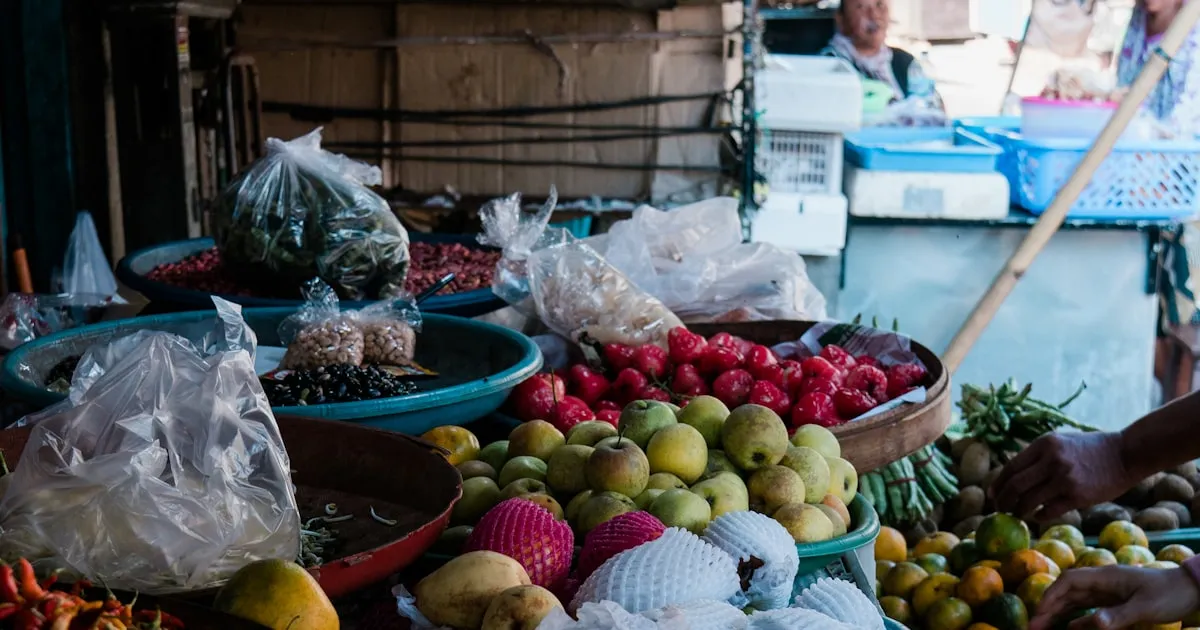 travel tips
Budget Travel Tips for Bali: Smart Ways to Save
Discover how to travel Bali on a shoestring budget without sacrificing experiences. Expert money-saving tips for accommodation, food, transport, and activities.
11 min read
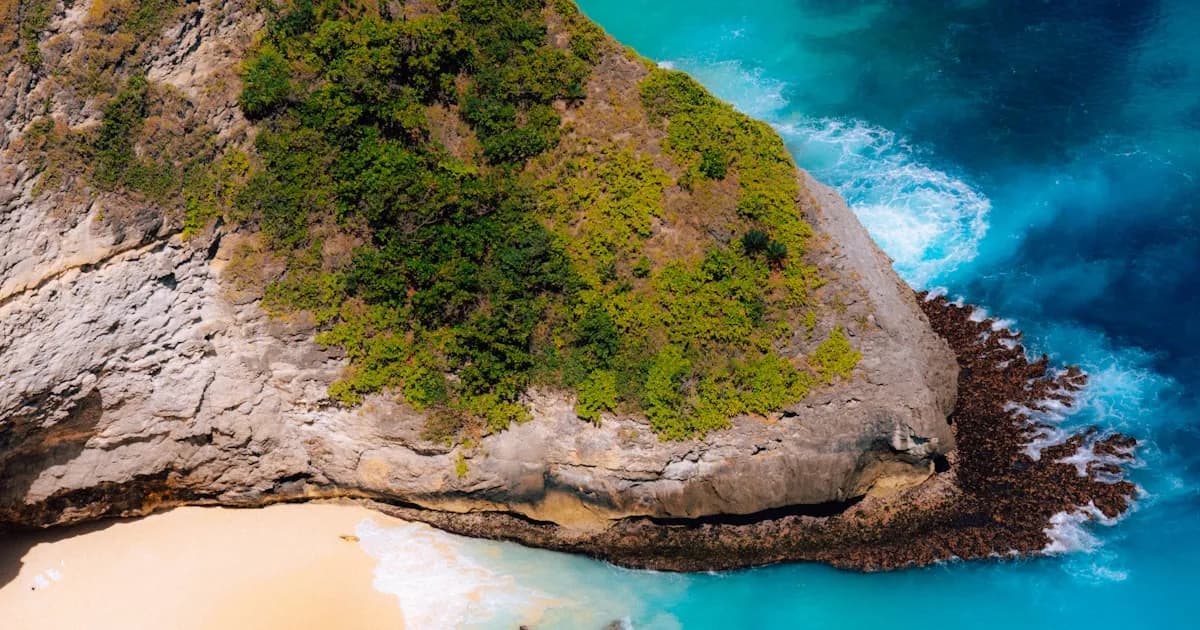 destinations
Best Beaches in Bali: Your Complete Guide to Coastal Gems
Discover Bali's most stunning beaches, from white sand shores to hidden coves. We guide you through the best swimming, surfing, and sunset spots with insider tips.
12 min read
 travel tips
Best Things to Do in Bali | Complete Guide
Discover the best things to do in Bali, from surfing and temple exploration to rice terrace hikes and island hopping adventures. Your complete guide awaits.
10 min read
Plan Your Bali Trip
Book hotels, tours, and transport through our trusted partners and get the best deals for your Bali adventure.