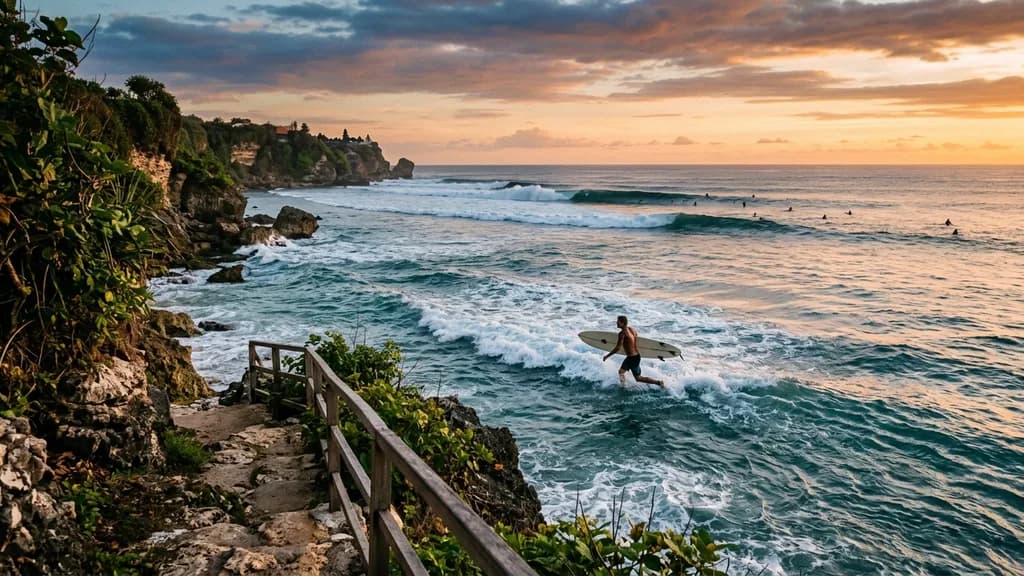
Ultimate Guide to Bali Surf Spots: Best Waves for Beginners, Intermediates, and Pros
Ultimate Guide to Bali Surf Spots: Best Waves for Beginners, Intermediates, and Pros
Bali, the tropical paradise of Indonesia, isn't just about stunning beaches and vibrant culture—it's a world-renowned surfing mecca. With over 1,000 miles of coastline dotted with legendary breaks, Bali surf spots draw millions of wave riders annually. Whether you're a newbie paddling out for the first time or a seasoned surfer chasing barrels, this comprehensive guide uncovers the best Bali surf spots, from the mellow reefs of the Bukit Peninsula to the powerful swells of Uluwatu. We'll cover everything from wave conditions and safety tips to practical advice for US travelers, drawing on official sources like the United States Department of State's travel information for Indonesia.
As a US traveler, always check the latest advisories from the Department of State at travel.state.gov, which currently advises exercising increased caution due to terrorism and civil unrest risks in parts of Indonesia. For visa info, visit the U.S. Embassy in Indonesia at id.usembassy.gov, where you'll find details on the Visa Waiver Program or e-visas for stays up to 30 days. Enroll in the Smart Traveler Enrollment Program (STEP) for alerts—contact the embassy at +62-21-3435-9000 if needed.
This guide is designed for US English speakers planning a trip via Google searches, ensuring you get actionable insights to score those perfect sets without the hassle.
Key Takeaways
| Question | Answer |
|---|---|
| Where are the top Bali surf spots? | Iconic areas include Uluwatu, Canggu, Kuta, and Nusa Dua on the Bukit Peninsula, offering waves for all levels. |
| Is Bali beginner-friendly for surfing? | Yes—spots like Kuta Beach and Legian provide gentle, sandy-bottom waves ideal for learning. |
| Best time to surf in Bali? | May to October (dry season) for consistent swells; November to April offers fewer crowds but unpredictable conditions. |
| Average cost of surfing in Bali? | $20–$50 USD per lesson; board rentals $5–$15/day; expect $100–$200/day total including transport and gear. |
| Safety tips from US State Department? | Exercise increased caution in Indonesia; monitor alerts via travel.state.gov and avoid crowded areas at night. |
| Visa requirements for US citizens? | Visa on arrival for 30 days; extendable—check id.usembassy.gov for updates on social media vetting for certain visas. |
| How to get to surf spots? | Fly into Denpasar Airport; use Gojek rideshares ($5–$20) or rent a scooter ($5/day) for easy access to Canggu or Uluwatu. |
1. Introduction to Surfing in Bali
Surfing in Bali has exploded in popularity since the 1930s when intrepid explorers first rode its waves. Today, this Indonesian island hosts surfers from across the globe annually, thanks to its position in the Indian Ocean where consistent swells roll in from Australian storms. But what makes Bali surf spots stand out? The variety: from beginner-friendly beach breaks to world-class reef setups that challenge pros.
For US travelers, planning a surf trip means more than waxing your board. The United States Department of State's Country Information Pages for Indonesia highlight the need for caution, especially in tourist hubs like Kuta and Seminyak. Petty crime and traffic accidents are common—stick to well-lit areas and use reputable transport. The U.S. Embassy in Jakarta advises enrolling in STEP for real-time updates, and for emergencies, contact +1-888-407-4747 from the US or +1-202-501-4444 abroad.
This guide dives deep into Bali surf spots, helping you navigate from airport arrival in Denpasar to sunset sessions in Uluwatu. We'll explore skill-level breakdowns, seasonal tips, and budgeting to ensure your trip is epic and safe.
Pro Tip: Before heading out, download the Magicseaweed app for real-time swell forecasts—it's a game-changer for timing your sessions at volatile spots like Canggu.
2. Where is it Best to Surf in Bali?
The best surfing in Bali depends on your skill level, but prime areas cluster around the southwest coast. The Bukit Peninsula, home to Uluwatu, boasts dramatic cliffs and powerful reefs, while the mainland's Canggu and Kuta offer accessible beach breaks. For a full rundown, head to the best surf spots Bali map (more on that later), but here's a starter: Uluwatu for advanced riders, Kuta for beginners, and Canggu for intermediates.
Geographically, Bali's surf shines due to its exposure to southern swells. The Indonesian archipelago funnels waves perfectly, creating consistent conditions year-round. According to surf experts, the southwest faces (like Padang Padang near Uluwatu) get the cleanest sets, while east coasts like Nusa Dua handle offshore winds better.
For US visitors, proximity to amenities matters. Stays in Canggu or Kuta keep you close to spots without long drives. Always cross-reference with travel.state.gov for any regional alerts—there have been occasional demonstrations in Denpasar, so plan routes wisely.
Why geography matters: Bali's position in the Indian Ocean means the island receives swells from multiple directions depending on season. South-facing breaks dominate the dry season (May–October), while north-facing spots like Canggu come alive during the wet season when monsoonal systems push swells northward. Understanding this helps you choose which area to base yourself in without wasting time traveling between incompatible breaks.
3. Is Bali a Good Surf Spot?
Absolutely—Bali is one of the world's top surf destinations, rivaling Hawaii or Australia for variety and accessibility. With over 50 major breaks, it caters to everyone from groms to grandmasters. Experienced travelers and online communities consistently rank Bali highly for its warm water (78–82°F year-round) and affordable vibe.
What sets Bali apart? Crowds can be intense at famous spots like Uluwatu, but hidden gems abound if you're willing to explore. Water quality is generally good, though runoff during the wet season can muddy conditions. For safety, the Department of State notes Indonesia's reefs can harbor hazards like urchins—wearing booties is essential.
The real deciding factor between Bali and competing destinations often comes down to cost versus crowd trade-offs. Yes, Uluwatu breaks rank internationally, but you'll share them with hundreds. Conversely, lesser-known breaks like Keramas or Medewi offer equally fun waves with a fraction of the people. The choice depends on whether you value convenience and community (crowded mainstream spots) or solitude and discovery (remote locations requiring longer searches).
Downsides? Overcrowding and beginner errors can lead to wipeouts. But with proper prep—respecting locals, learning etiquette, and choosing appropriate breaks for your level—Bali is unbeatable.
4. Bali Surf Season: Understanding the Waves Year-Round
The Bali surf season splits into dry and wet periods, influencing swell size and crowds. May to October (dry season) brings clean, consistent waves from Australian low-pressure systems, with southwesterly winds keeping faces glassy. Expect 3–8 foot swells at peak spots.
Conversely, November to April (wet season) sees monsoon rains and northerly winds, making sessions choppier but less crowded. North-facing breaks like Canggu shine here with offshore breezes. The reality is that while the dry season is objectively better for wave quality, many travelers find the wet season paradoxically more enjoyable—fewer surfers, lower prices, and the thrill of finding less-crowded peaks.
| Month | Swell Direction | Average Wave Height | Wind Conditions | Crowd Level | Best For |
|---|---|---|---|---|---|
| January | North | 2–4 ft | Northerly (onshore south) | Low | Intermediates on north coasts |
| February | North | 2–5 ft | Variable | Low | Beginners avoiding crowds |
| March | South/North | 3–6 ft | Northerly | Medium | All levels, transitional |
| April | South | 4–7 ft | Southwesterly | Medium | Pros chasing bigger sets |
| May | South | 4–8 ft | Southwesterly (offshore) | High | Everyone—peak dry start |
| June | South | 5–10 ft | Southwesterly | High | Advanced reef breaks |
| July | South | 6–12 ft | Southwesterly | Very High | World-class waves |
| August | South | 5–10 ft | Southwesterly | Very High | Consistent for all |
| September | South | 4–8 ft | Variable | High | Families and learners |
| October | South | 3–7 ft | Southwesterly | Medium | Winding down dry season |
| November | South/North | 3–6 ft | Northerly | Low | Locals and explorers |
| December | North | 2–5 ft | Northerly | Low | Relaxed sessions |
This table highlights why timing matters—use it to align with your Bali surf season plans.
5. What are the Best Months for Surfing in Bali?
The best months for surfing in Bali are June to August, when southern swells peak at 6–12 feet with light offshore winds. This dry-season sweet spot delivers barreling waves at Uluwatu and forgiving rollers at Kuta. Water temps hover at 80°F, perfect for long sessions without wetsuits.
For shoulder seasons, April–May and September–October offer 4–8 foot waves with fewer crowds—ideal if you're avoiding peak tourist influx. Wet-season fans (November–March) target north shores for 2–5 foot sets, though rain can cancel days. The practical trade-off: peak season maximizes wave quality but minimizes parking and solitude; shoulder and off-seasons reverse this equation.
Pro surfers flock in July for major competitions, but beginners thrive anytime with schools operating daily. Check travel.state.gov for weather-related advisories, as monsoons can flood roads to spots like Nusa Dua.
6. Best Bali Surf Spots: A Complete Breakdown
Diving into the best Bali surf spots, we'll categorize by region and skill. Bali's geography—volcanic reefs and sandy bays—creates diverse conditions. Start in the south for classics, then venture north.
6.1 South Bali: The Bukit Peninsula Powerhouses
The Bukit area, including Uluwatu, is surf central. Cliffs overlook epic reefs, but access requires stairs—watch for crowds.
Bali Surf Spots Uluwatu
Uluwatu is Bali's crown jewel, a left-hand reef break firing on 4–10 foot swells. Famous from surf films, it barrels like a machine but punishes with sharp coral. Best in dry season; intermediates and up only. Entry fee: ~$2 for temple view.
Why Uluwatu challenges riders: The break sits on a shallow reef with sharp edges—falling isn't just uncomfortable, it's dangerous. The lineup is highly competitive; locals command respect and priority on sets. Strong currents demand excellent paddling fitness. Beginners here don't just fail to improve; they risk injury and embarrassment. Save Uluwatu for when you've logged 100+ sessions elsewhere.
Nearby, Padang Padang offers a punchy right-hander (3–6 ft), while Bingin is a forgiving alternative (2–5 ft) for intermediate riders seeking something close to Uluwatu without the danger.
6.2 Kuta and Legian: Beginner Paradises
Head to Kuta for the best surfing in Bali for beginners. This sandy beach break delivers 1–4 foot waves, rolling in gently for pop-up practice. Lifeguards patrol, and dedicated schools abound—perfect for learners. The trade-off: crowds are relentless, especially mornings and weekends.
Legian, just north, mirrors Kuta but with slightly bigger sets (2–5 ft), transitioning to intermediate-friendly conditions. It's less touristy than Kuta, making it a sweet spot if you can handle waves beyond pure beginner territory.
Why choose Kuta over Legian (or vice versa)? If your goal is confidence-building on forgiving waves with maximum instruction availability, Kuta wins. If you want to progress faster and don't mind slightly more challenging conditions with fewer tourists, Legian is smarter.
6.3 Canggu: Intermediate Heaven
Canggu, with its black-sand beaches, hosts Bali surf spots intermediate like Batu Bolong (3–6 ft, mellow rights) and Echo Beach (4–8 ft, hollower lefts). It's hipster central—cafes line the shore for post-surf acai bowls. The neighborhood appeals to young travelers, but this popularity drives up accommodation costs and water crowding.
For a best surf spots Bali map overview: Imagine Canggu at the northwest of the peninsula, Uluwatu south, and Kuta central. (Pro tip: Search "Bali surf map" on Google Maps for interactive layers.)
6.4 Nusa Dua and Sanur: Family-Friendly Reefs
Nusa Dua features protected reefs with 2–5 foot waves, ideal for longboarders. Sanur adds lagoon-like calm (1–3 ft), great for kids or yoga-surf combos. These spots rarely appear in surf media because they're not "exciting" to pros, but they're genuinely excellent for certain travelers—families, older beginners, and those prioritizing comfort over adrenaline.
6.5 East and North: Off-the-Beaten-Path
Venture to Jimbaran for tidal pools (2–4 ft) or Amed for rare east swells. North spots like Lovina offer dolphin-watching breaks, but swells are inconsistent—you might paddle out to glassy perfection or flat, choppy nothing. These spots reward flexibility but punish rigid schedules.
| Surf Spot | Difficulty | Best Swell Size | Access | Nearby Amenities | When to Go |
|---|---|---|---|---|---|
| Uluwatu | Advanced | 4–10 ft | Stairs from cliff | Temples, warungs | June–August |
| Kuta | Beginner | 1–4 ft | Beachfront | Schools, hotels | Year-round |
| Canggu (Batu Bolong) | Intermediate | 3–6 ft | Roadside parking | Cafes, villas | May–October |
| Nusa Dua | All levels | 2–5 ft | Resort access | Luxury resorts | November–April |
| Padang Padang | Advanced | 3–8 ft | Cave entry | Basic facilities | June–September |
| Echo Beach | Intermediate | 4–8 ft | Easy beach | Surf shops | May–October |
This comparison table helps pick spots based on your vibe.
7. Best Surfing in Bali for Beginners
For best surfing in Bali for beginners, prioritize sandy bottoms and small waves. Kuta Beach tops the list—its 1–3 foot rollers build confidence without reefs. Lessons here cost ~$25–40/hour, including board rental.
Seminyak extends this with upscale schools (expect $40–60/hour), while Pandawa Beach near Bukit offers uncrowded 2–4 ft sets. Avoid Uluwatu—its power isn't newbie-friendly.
Red flag to watch: Beware instructors who pressure you into bigger breaks to "speed up progress." Legitimate progression takes weeks, not days. Rushing leads to injury and destroyed confidence.
Start with group classes (~$15–25/session) to learn etiquette—Bali's waves get snaky fast when beginners don't respect lineup rules.
Pro Tip: Group lessons aren't just cheaper—they're smarter. You'll learn lineup etiquette from instructors and peers, reducing conflicts with locals and other surfers.
8. Bali Surf Spots for Beginners
Expanding on Bali surf spots for beginners, Legian and Dreamland shine. Legian's 2–4 ft beach break has consistent rights, while Dreamland (in Bukit) provides a cove-like shelter (1–3 ft).
Safety first: The U.S. Embassy warns of strong currents—stick with instructors for your first week minimum. Gear up with rash guards for sun protection. The UV index in Bali averages 11+ (extreme), so sunburn isn't vanity; it's a real health risk that sidelines sessions.
9. Bali Surf Spots Intermediate
Bali surf spots intermediate like Berawa in Canggu (3–6 ft, A-frame peaks) and Impossibles near Uluwatu (4–7 ft, long walls) build skills. These demand better paddling but reward with carveable faces and longer rides.
Transition here after 10–20 beginner sessions. Winds are key—mornings at Berawa are glassiest.
When to skip intermediate spots: If you're still pearl-diving (falling forward on takeoff), still struggling to turtle-roll, or struggling to pop up consistently, you're not ready. Intermediate breaks have deeper lineups and less patience for learners. Spend another week at Kuta if needed—it's not failure; it's smart progression.
10. Surfing in Bali Price: Budgeting Your Wave Time
Surfing in Bali price is wallet-friendly compared to the US. Private lessons: $30–$50 USD/hour. Group: $15–$25. Rentals: Soft-tops for beginners $5–$10/day; shortboards $10–$15.
Full-day packages with transport: $60–$100. Add $10–$20 for photos or video sessions. In Uluwatu, expect ~$2 park fees. Why do prices vary so widely? Location, instructor experience, and season drive costs. Canggu instructors charge more than Kuta due to higher rent. Wet-season prices drop 30–40%.
| Expense Category | Low-End Cost (USD) | High-End Cost (USD) | Notes |
|---|---|---|---|
| Lesson (1 hour) | 15 | 60 | Group vs. private; location-dependent |
| Board Rental (day) | 5 | 15 | Soft-top vs. performance |
| Transport to Spot | 5 (scooter) | 20 (taxi) | From Kuta/Seminyak; avoid rush hours |
| Full-Day Surf Trip | 60 | 150 | Includes lunch/gear rental |
| Accommodation Near Spot | 25/night (budget) | 120 (mid-range villa) | Canggu/Uluwatu premium |
Budget $100–$200/day total for surfing-focused travel. This assumes shared rooms and eating at warungs (local eateries); upgrading to private villas or restaurants doubles costs easily.
11. Is Bali Good for Beginner Surfers?
Yes, Bali is excellent for beginner surfers, with dedicated schools in Kuta and Canggu teaching thousands annually. Gentle waves and warm water make learning fun—many progress to intermediates in a week.
Challenges? Crowds and jet lag. The Department of State advises rest before sessions to avoid fatigue-related accidents. With certified instructors (check instructor credentials and reviews—not all schools vet staff equally), it's safer than many spots.
When Bali isn't right for beginners: If you're jet-lagged and sleep-deprived, surfing at Kuta may still seem easy but becomes dangerous. You're slower to react, slower to paddle, slower to bail cleanly. The same is true if you're hungover or dehydrated. Bali's party culture can lure travelers into late nights that sabotage early-morning sessions.
12. Safety and Travel Essentials for US Surfers in Bali
Safety ties into official guidance. The United States Department of State's International Country Information Pages for Indonesia urge caution against scams and natural hazards like earthquakes. In Bali, riptides claim lives—learn to spot them (dark water moving seaward; if caught, paddle parallel to shore, not against the current).
Contact the U.S. Embassy & Consulates in Indonesia for assistance; they're in Jakarta but cover Bali via the Denpasar consulate liaison. For visas, US citizens get 30-day visa-free entry, but certain categories require social media review per embassy notices.
Health: Vaccinations for hep A/B recommended (check CDC.gov). Reef-safe sunscreen mandatory—chemical sunscreen damages coral reefs and has been banned in many reef areas. Traffic in Denpasar is chaotic—helmets on scooters are legally required and genuinely life-saving.
Common health oversights: Ear infections from repeated saltwater exposure. Bring antibiotic ear drops. Sea urchin spine injuries. Wear booties. Minor cuts from sharp coral turn infected quickly in warm saltwater—clean promptly with soap and fresh water, not ocean water.
13. Advanced Tips: Chasing Barrels and Avoiding Crowds
For pros, Rijck near Uluwatu (6–12 ft) or Keramas (4–8 ft, east coast) deliver hollow tubes. Boat trips to Nusa Lembongan add remote vibes (~$50–100/trip, variable by season).
Common mistakes: Ignoring tides (check apps like Tides or Magicseaweed) or surfing solo—always buddy up. Prices compare favorably to Hawaii (50% cheaper) or Australia (30% less), making Bali a value proposition even for traveling pros.
Red flags for remote spots: Don't venture to lesser-known breaks without local knowledge. Unmarked rocks, hidden reefs, and sketchy locals claiming "no tourists allowed" happen. Ask instructors or established shops for beta—they know safe vs. risky exploration.
14. Planning Your Bali Surf Trip: Timeline and Comparisons
14.1 Planning Timeline
- 3–6 Months Out: Book flights to Denpasar (~$800–$1,200 RT from US coasts; longer flights from inland cities cost more). Secure visa via id.usembassy.gov.
- 1–2 Months: Reserve lessons/surf camps (~$300–$500/week for group instruction; private coaching $1,000+).
- 1 Week Before: Monitor travel.state.gov advisories; pack reef booties and reef-safe sunscreen.
- On Arrival: Acclimate in Seminyak for 1–2 days before intense sessions to adjust to heat and jet lag.
14.2 How Prices Compare to Neighboring Countries
Bali undercuts neighbors: Lessons ~$25 vs. ~$50 in Sri Lanka or ~$40 in Malaysia. Rentals half those in Philippines. Total trip: ~$1,500/week vs. ~$2,500 in Thailand for comparable comfort.
| Country | Lesson Cost (USD) | Daily Rental | Accommodation (budget) | Crowd Factor |
|---|---|---|---|---|
| Bali | 20–50 | 5–15 | 25–40 | High |
| Sri Lanka | 40–70 | 10–20 | 30–50 | Medium |
| Philippines | 30–60 | 8–18 | 20–35 | Low |
| Thailand | 35–55 | 10–15 | 30–45 | High |
14.3 Common Mistakes Travelers Make
Overpacking gear (rent locally—soft-tops and shortboards are cheap and abundant). Ignoring sun protection (UV index 11+) causes painful sunburn that ends trips early. Surfing hungover—hydration and electrolytes matter more in tropical heat than temperate zones.
Don't skip travel insurance covering water sports (~$50–$100/month). Don't assume ATMs in remote areas work (they don't). Don't rent scooters without a valid international driver's license—fines exist if stopped.
Skip these common tourist traps: Purchasing "expensive" local art from vendors (knock-offs); overpaying at non-metered taxis (use Gojek app instead); eating at beachfront restaurants that price gouge tourists.
15. Conclusion: Catch Your Perfect Wave in Bali
Bali surf spots offer endless adventure, from beginner bliss in Kuta to pro thrills in Uluwatu. With proper planning—checking United States Department of State info and embassy resources—you'll surf safely and memorably. Whether chasing the Bali surf season or mapping the best surf spots Bali map, this island delivers. Book now and ride the waves of a lifetime!
Citations: All safety/visa info from travel.state.gov and id.usembassy.gov. Surf details based on established travel consensus and community feedback; always verify current conditions via Magicseaweed and local sources before paddling out.
🔗 Verwante artikelen
Frequently Asked Questions
Where is it Best to Surf in Bali?
The best surfing in Bali depends on your skill level, but prime areas cluster around the southwest coast. The Bukit Peninsula, home to Uluwatu, boasts dramatic cliffs and powerful reefs, while the mainland's Canggu and Kuta offer accessible beach breaks. For a full rundown, head to the best surf spots Bali map (more on that later), but here's a ...
Is Bali a Good Surf Spot?
Absolutely—Bali is one of the world's top surf destinations, rivaling Hawaii or Australia for variety and accessibility. With over 50 major breaks, it caters to everyone from groms to grandmasters. Experienced travelers and online communities consistently rank Bali highly for its warm water (78–82°F year-round) and affordable vibe.
What are the Best Months for Surfing in Bali?
The best months for surfing in Bali are June to August, when southern swells peak at 6–12 feet with light offshore winds. This dry-season sweet spot delivers barreling waves at Uluwatu and forgiving rollers at Kuta. Water temps hover at 80°F, perfect for long sessions without wetsuits.
Is Bali Good for Beginner Surfers?
Yes, Bali is excellent for beginner surfers, with dedicated schools in Kuta and Canggu teaching thousands annually. Gentle waves and warm water make learning fun—many progress to intermediates in a week.
Sources & References

Go2Bali Team
Travel Writer at Go2Bali
- ●Bali travel experts
- ●Locally verified information
- ●Regular content updates
The Go2Bali team shares local insights, practical travel tips, and in-depth guides to help you explore Bali like a seasoned traveler.
More about usPlan Your Bali Trip
Book hotels, tours, and transport through our trusted partners and get the best deals for your Bali adventure.